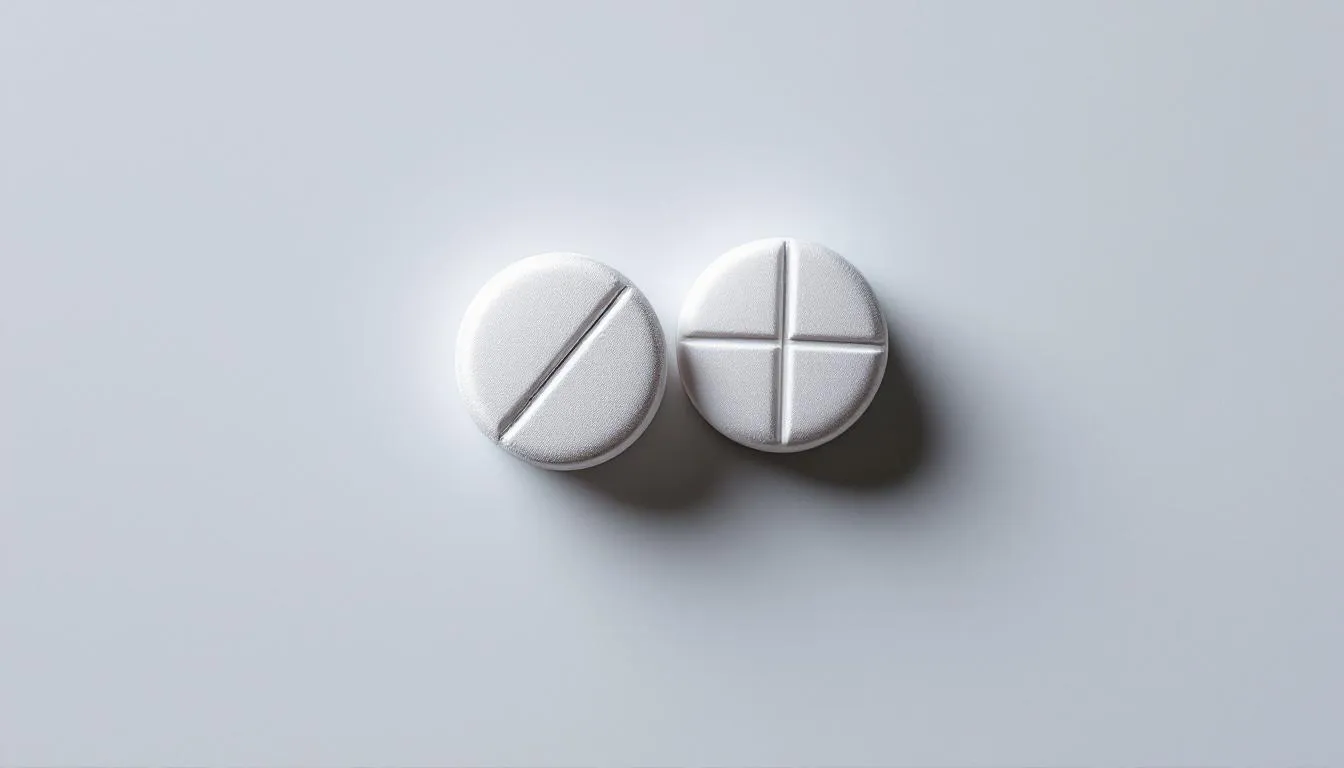
Need to identify an oxycodone pill? This guide helps you quickly determine its type and dosage using shape, color, and imprint, serving as an oxycodone pill identifier.
Key Takeaways
- Accurate identification of oxycodone pills is crucial for preventing misuse and overdose, especially given oxycodone’s high potential for abuse and addiction.
- Key features for identifying oxycodone pills include shape, color, and imprint codes, which differ among dosages and formulations.
- Safety precautions include securely storing oxycodone, avoiding combinations with alcohol or illicit drugs, and consulting professionals for unidentified pills to prevent dangerous outcomes.
Why Identifying Oxycodone Pills is Important

Accurately identifying oxycodone pills is not just a matter of convenience; it’s a critical step in preventing misuse and ensuring safe usage. Oxycodone hydrochloride, a powerful opioid pain medicine, is commonly prescribed to manage severe and chronic pain. However, failing to identify these pills correctly can lead to serious consequences such as unintentional overdose and potentially life-threatening situations.
Misuse of oxycodone can result in addiction, drug abuse, and physical dependence. Stopping oxycodone suddenly may cause withdrawal symptoms, which can be uncomfortable or even dangerous.
Accurately identifying oxycodone pills promotes responsible and safe usage. Knowing the exact dosage and formulation prevents adverse effects and ensures effective pain management. Vigilance and informed decisions protect you and your loved ones from the dangers of opioid analgesic.
If you have concerns about your medication or experience any side effects, consult your doctor or healthcare provider for guidance.
Common Oxycodone Pill Features
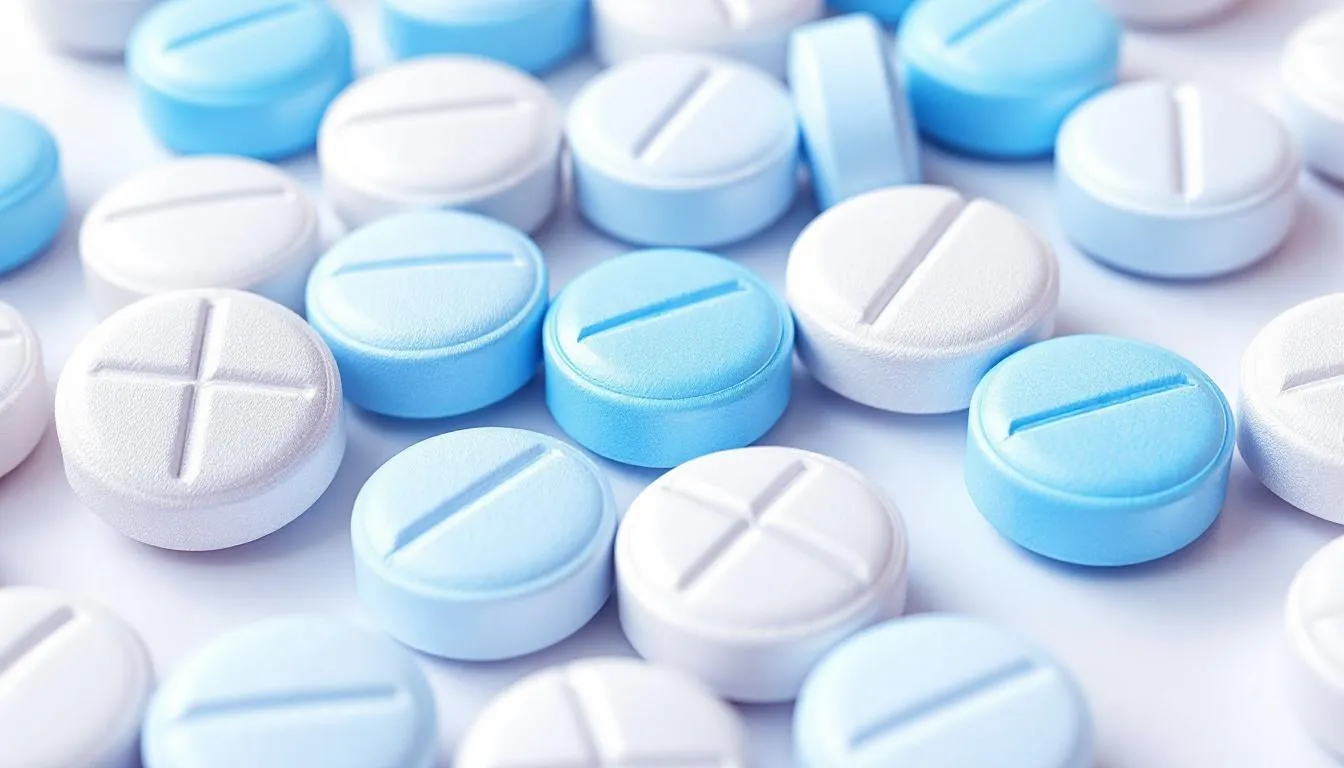
Oxycodone pills are designed with distinct features to help users identify them accurately. These features include:
- Shape
- Color
- Imprint codes
- Capsules
Each serving a unique role in distinguishing the various formulations and dosages of this opioid pain medicine. These features are crucial for anyone who needs to identify a pill, whether for personal use or to assist others.
Shapes, colors, and imprint codes make visual identification possible and reliable. Oxycodone pills may have different imprints depending on the manufacturer and dosage, which helps further distinguish between types. Here’s how each feature contributes to the identification process: enter the imprint code.
Shape
Oxycodone pills come in a variety of shapes, including round, oval, and capsule forms. This diversity in shape helps in distinguishing between different dosages and brands. For instance, the 5 mg oxycodone tablet is small, white, and round in shape. The 10 mg oxycodone tablet is usually round and white, often marked with an imprint code to help identify its dosage and manufacturer. In contrast, the 15 mg green oxycodone tablet is oval-shaped and typically features an imprint code.
The 30 mg oxycodone tablet is noted for its blue color and specific oval shape, making it easily recognizable. Knowing these shapes and their associated dosages helps patients and healthcare providers confirm the correct medication is being taken.
Color
Color plays a significant role in identifying oxycodone pills. Common colors include white, green, and blue. The 5 mg oxycodone pill is small, white, and round, which helps distinguish it from other dosages.
The 15 mg green tablet is another example of how color aids in identification. This green tablet is distinctly round and often imprinted with specific codes that further help in its identification.
The 30 mg blue tablet is easily recognizable due to its vibrant color, especially when considering the effects of ativan.
Imprint Codes
Imprint codes are perhaps the most definitive way to identify oxycodone pills. In the U.S., pills must have an imprint code to be legally recognized as prescription or over-the-counter medications. These codes provide a means to distinguish various formulations and dosages. The 5 mg oxycodone pill usually has specific imprints indicating its strength and manufacturer.
The 15 mg green tablet often has imprints like ‘K 8’ or ‘15 M’, while the 30 mg blue tablet is marked with ‘M 30’ or ‘K 9’. For example, pill imprint K 8 is used to identify oxycodone hydrochloride 15 mg tablets. These codes are vital for ensuring the correct medication is used, especially if the pill lacks an imprint and might be mistaken for another drug.
Pills with No Imprint: What You Need to Know
Identifying a pill without an imprint code can be difficult and potentially dangerous, especially when dealing with powerful medications like oxycodone hydrochloride. The FDA requires that nearly all prescription and over-the-counter (OTC) drugs in the United States have a unique imprint code. This code helps patients, healthcare providers, and pharmacists quickly identify the medicine, its strength, and its manufacturer.
If you come across a pill without an imprint code, it’s important to exercise caution. Pills lacking an imprint are often not FDA-approved prescription drugs or may be foreign, counterfeit, or even illicit substances. This is particularly concerning with opioid pain medicines like oxycodone, where taking the wrong pill can lead to serious health risks, including overdose, severe pain, or dangerous drug interactions.
Popular Oxycodone Pills with Images

Recognizing popular oxycodone pills through images can significantly aid in their identification. These pills typically feature specific colors, shapes, and unique imprint codes. Visual identification is crucial in preventing misuse and ensuring safe usage. Let’s explore some of the most common oxycodone pills, complete with images for easy recognition.
Some oxycodone pills are formulated as extended-release tablets, such as OxyContin. These extended-release products are designed for long-term, around-the-clock management of severe or chronic pain. They work by gradually releasing oxycodone, which acts on opioid receptors in the nervous system to relieve pain over an extended period. This is different from immediate-release versions, which provide faster but shorter-lasting pain relief.
Familiarizing yourself with the appearance of these pills allows for quick and accurate identification of medicines, ensuring the correct medication appears to be taken. Oxycodone may interact with other drugs, so it is important to inform your healthcare provider about all prescription, over-the-counter, and herbal medications you are taking.
5 mg White Round Oxycodone
The 5 mg white round oxycodone pill is one of the most common formulations. This small, white, and round pill is typically used for managing moderate pain. Its appearance makes it easy to identify, especially when compared to higher dosages that may be different in color and shape.
Accurately identifying this acetaminophen pill ensures the correct dose is administered, avoiding potential mix-ups and ensuring effective pain management.
15 mg Green Tablet
The 15 mg green tablet is another widely recognized oxycodone formulation. This green tablet is distinctly round and often imprinted with identifiers like ‘A214’ or ‘M 15’. These imprints, along with its color, make it easily distinguishable from other dosages.
Correctly identifying the 15 mg green tablet ensures patients receive the appropriate dosage, including lower doses, avoiding the risks of incorrect medication.
30 mg Blue Tablet
The 30 mg blue oxycodone tablet is a potent opioid pain medication used to manage severe pain. It has the following characteristics:
- Typically round in shape
- Vibrant blue color, making it distinctive among other oxycodone tablets
- Usually features specific imprints that may include the numbers ‘30’, assisting in its identification. This medication is often prescribed in the form of immediate release oxycodone.
A visual reference helps users accurately identify and differentiate this logo pill from others, ensuring safe and effective treat pain management.
How to Use a Pill Identifier Tool
A pill identifier tool effectively identifies oxycodone pills. Enter the pill’s imprint code, and select its color and shape if needed. This process pinpoints the exact medication, ensuring accurate identification.
The results from the tool include:
- The pill’s picture
- Brand and generic names
- Strength
- Other relevant information
Tools like the drugs.com mobile app are particularly useful for quick and accurate identification.
Safety Tips When Taking Oxycodone

Safety is crucial when taking oxycodone. Never share your medication to prevent accidental harm to others. Store oxycodone securely and out of children’s reach to avoid accidental ingestion.
Common side effects of oxycodone include constipation, dizziness, nausea, vomiting, and breathing problems. Patients should monitor for these effects, as breathing problems can be serious and require immediate medical attention. Each patient may experience side effects differently, so it is important to consult your doctor if you have any concerns or notice unusual symptoms.
Combining oxycodone with alcohol or street drugs can dangerously increase the risk of severe side effects, including potentially fatal respiratory depression. In case of potential overdose or poisoning by an unknown medication, immediately contact emergency services or a poison control center.
What to Do If You Find an Unidentified Pill
If you find a pill without identification, consult a healthcare professional or pharmacist for safe identification. Never consume any unidentified pill, as it may have been tampered with or improperly stored.
When seeking help, provide details such as the pill’s color, shape, and any imprints present. For further assistance, contact local poison control centers for guidance.
Recognizing Counterfeit Oxycodone Pills
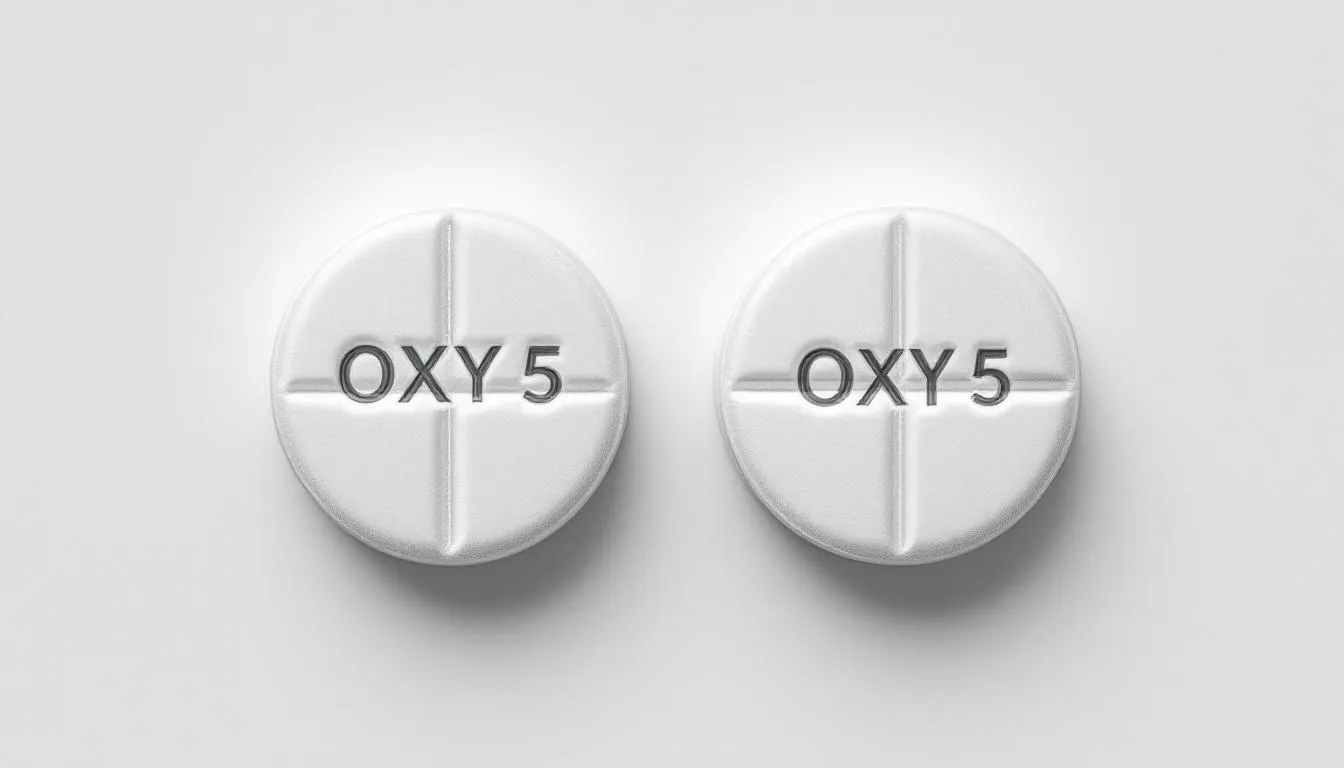
Counterfeit oxycodone pills, such as the M-30 variant, usually contain illicitly manufactured fentanyl, raising the risk of overdose. Recognizing these counterfeit pills is crucial for ensuring safety and avoiding potentially fatal consequences.
Learning to identify counterfeit pills can protect you and your loved one from the dangers of unregulated substances, ensuring that the fda medication you take is safe and effective.
Storing and Disposing of Oxycodone Safely
Proper storage and disposal of oxycodone prevent misuse and protect others. Store medications in their original packaging with safety locks secured. Dispose of unused or expired medications promptly to reduce the risk of accidental or intentional misuse.
Participating in drug take-back programs is the safest and most environmentally friendly way to dispose of unused medications. If no take-back sites are available, mix medications with inedible substances before discarding them in the trash.
Summary
In summary, identifying oxycodone pills accurately is crucial for safe and effective pain management. By understanding the common features of these pills, using pill identifier tools, and following safety tips, you can ensure the responsible use of oxycodone.
Remember, proper storage and disposal of medication are just as important in preventing misuse and protecting others. Stay informed, stay safe, and always consult healthcare professionals when in doubt.
Frequently Asked Questions
Why is it important to accurately identify oxycodone pills?
Accurate identification of oxycodone pills is crucial to prevent misuse and overdose while ensuring their safe administration. This vigilance protects both individual health and public safety.
What are the common features of oxycodone pills?
Oxycodone pills are characterized by unique shapes, colors, and specific imprint codes that facilitate identification. It is essential to be aware of these features for safe usage.
How can I use a pill identifier tool?
You can effectively use a pill identifier tool by entering the pill’s imprint code and, if necessary, selecting its color and shape. This will help you accurately identify the medication.
What should I do if I find an unidentified pill?
If you find an unidentified pill, it is crucial to consult a healthcare professional or pharmacist for safe identification. This will help avoid any potential health risks associated with consuming an unknown substance.
How can I recognize counterfeit oxycodone pills?
To recognize counterfeit oxycodone pills, examine their color, shape, imprint, and texture; authentic pills will have consistent characteristics. If a pill appears suspicious or differs from known legitimate versions, do not consume it.