Recognizing the distinct smell of cocaine can be crucial for early detection and timely intervention in cases of substance abuse. While pure cocaine has virtually no odor, the street cocaine found in illicit markets carries distinctive chemical scents that vary dramatically based on processing methods and cutting agents used by drug manufacturers.
Understanding what cocaine smells like serves multiple purposes: it can help parents identify potential drug use, assist healthcare professionals in recognizing substance abuse, and provide law enforcement with additional identification tools. However, it’s essential to understand that scent alone should never be the sole indicator, and professional help should always be sought when addiction is suspected.
This comprehensive guide explores the complex scent profiles of different cocaine forms, from powder cocaine to crack cocaine, examining how various chemicals and additives create the recognizable smell patterns associated with this dangerous drug.
Key Takeaways
- Pure cocaine is nearly odorless, but street cocaine typically has a sharp, chemical smell due to cutting agents
- Powder cocaine often smells like gasoline, vinegar, or cleaning products
- Crack cocaine produces a distinct burnt plastic or rubber odor when smoked
- Freebase cocaine emits an intense chemical smell similar to burning plastic
- Cocaine laced with fentanyl may have a more acrid, bleach-like odor
- The smell varies significantly based on additives like baking soda, flour, and laundry detergent
Understanding Cocaine’s Basic Scent Profile
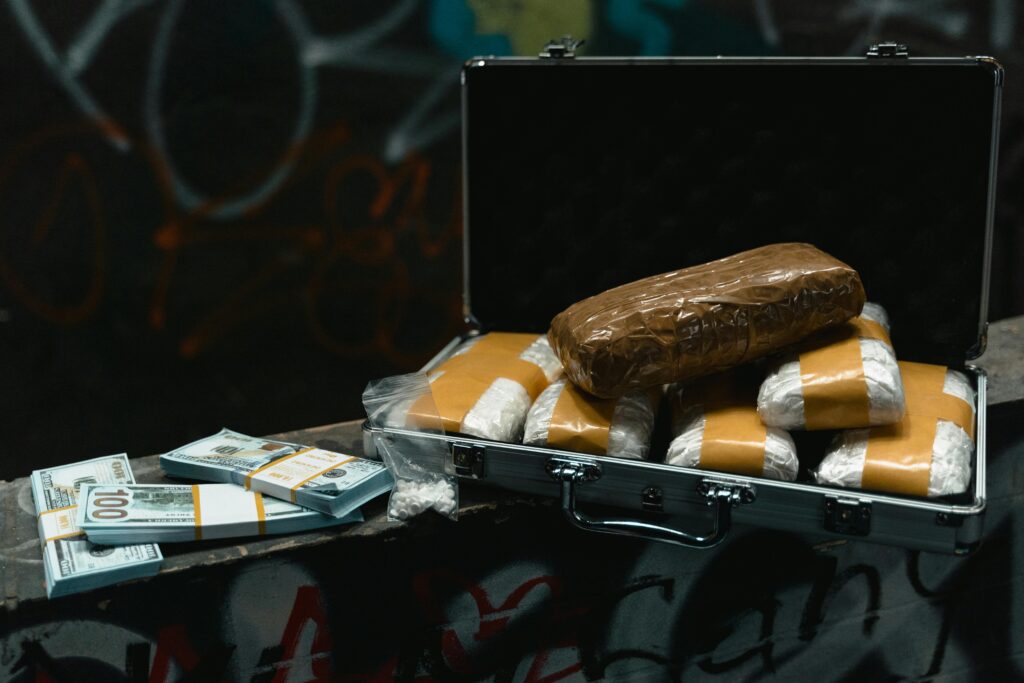
The fundamental challenge in identifying cocaine by smell lies in understanding the difference between pure cocaine and what actually reaches the streets. Pure cocaine hydrochloride, in its pharmaceutical form, has minimal to no detectable odor – some experts describe it as having a faint floral aroma, but this form is extremely rare outside laboratory settings.
Street cocaine tells a completely different story. The cocaine powder sold illegally contains numerous cutting agents and retains chemical residues from the manufacturing process. Processing powder cocaine involves various harsh chemicals including gasoline, kerosene, sulfuric acid, and other substances that leave lasting odor signatures in the final product.
The scent intensity depends heavily on the concentration and type of additives used. Drug manufacturers often use whatever chemicals are readily available, leading to inconsistent smell profiles even within the same supply chain. Additionally, the coca plant itself undergoes extensive chemical processing before becoming the white powder familiar on streets, and each step introduces potential odor-causing compounds.
These processing chemicals from manufacturing can leave lingering odors that range from sharp and acidic to sweet and chemical-like. The result is that most people describe street cocaine as having a distinctly artificial, chemical odor that’s immediately recognizable once you know what to identify.
What Different Forms of Cocaine Smell Like
Powder Cocaine Scent Characteristics
Powdered cocaine, the most common form encountered in substance abuse cases, exhibits a sharp, chemical-like smell resembling cleaning products or gasoline. This acrid odor stems from both the processing chemicals used in production and the various cutting agents mixed in to increase volume and profits.
Many people describe the cocaine smell as similar to vinegar or having bitter medicinal odors. This chemical like smell often carries metallic undertones, particularly when industrial chemicals remain from crude processing methods. The intensity can vary significantly – some batches have a barely detectable scent, while others produce an overwhelming chemical odor.
The soapy scent frequently associated with powder cocaine comes from additives like baby powder or laundry detergent. These common cutting agents not only change the physical appearance of the drug but also contribute their own distinct scents to the overall profile. The metallic or harsh artificial smell typically indicates the presence of processing chemicals that weren’t fully removed during production.
When dissolved for injectable cocaine use, the powder maintains similar scent characteristics but in a much more diluted form. The process of dissolving powder cocaine in water or other liquids reduces the intensity of the smell, making it less detectable than the dry form.
Crack Cocaine Smoking Odor
Smoking crack cocaine produces one of the most distinctive and recognizable drug odors. The strong burnt plastic or rubber smell is immediately apparent and intensely unpleasant. This chemical odor becomes embedded in clothing, furniture, hair, and any porous materials in the surrounding area.
The crack cocaine smell when heated differs significantly from powder cocaine because the smoking process involves combustion of both the drug and its various additives. The result is a sweet, ether-like scent mixed with burning materials that creates an unmistakable smoky smell. This odor clings tenaciously to drug paraphernalia, particularly glass pipes used for smoking crack.
People describe the smell as similar to burning rubber or melting plastic, with chemical undertones that can trigger immediate recognition in those familiar with it. The acrid odor produced during smoking crack cocaine can linger for hours or even days in poorly ventilated spaces, making it one of the most detectable forms of cocaine use.
Environmental factors significantly affect how long these odors persist. In enclosed spaces with poor ventilation, the smell of smoking crack can become embedded in soft furnishings and remain detectable long after use has stopped.
Freebase Cocaine Chemical Smell
Freebase cocaine preparation involves ammonia or ether, substances that themselves carry harsh, distinctive odors. When smoked, freebase cocaine gives off an intense chemical smell that’s often likened to burning plastic or industrial solvents. This form produces a much more potent odor than regular powder cocaine.
The sharp, pungent smell associated with freebase cocaine becomes highly noticeable and generally unpleasant when heated. The chemical odor intensity exceeds that of other cocaine forms because the preparation process concentrates the volatile compounds that create these distinctive scents.
Processing freebase cocaine requires dangerous chemicals that leave lasting residues, contributing to the overall scent profile. These processing chemicals not only create safety hazards but also ensure that the final product carries unmistakable chemical signatures that trained detection can identify.
Liquid Injectable Cocaine
Injectable cocaine, typically prepared as a hydrochloride solution, presents a much weaker scent compared to smoked forms. The liquid cocaine preparation dilutes the concentration of odor-causing compounds, making detection by smell significantly more challenging.
Any odor present in injectable cocaine is generally faint and primarily chemical in nature. Some users note a mild medicinal or antiseptic smell, similar to other pharmaceutical preparations. The absence of combustion or heating means that injectable cocaine is far less likely to produce strong ambient odors that would alert others to its presence.
This weak scent profile makes injectable cocaine use more difficult to detect through smell alone, requiring attention to other warning signs and behavioral indicators of substance abuse.
How Cutting Agents Affect Cocaine’s Smell
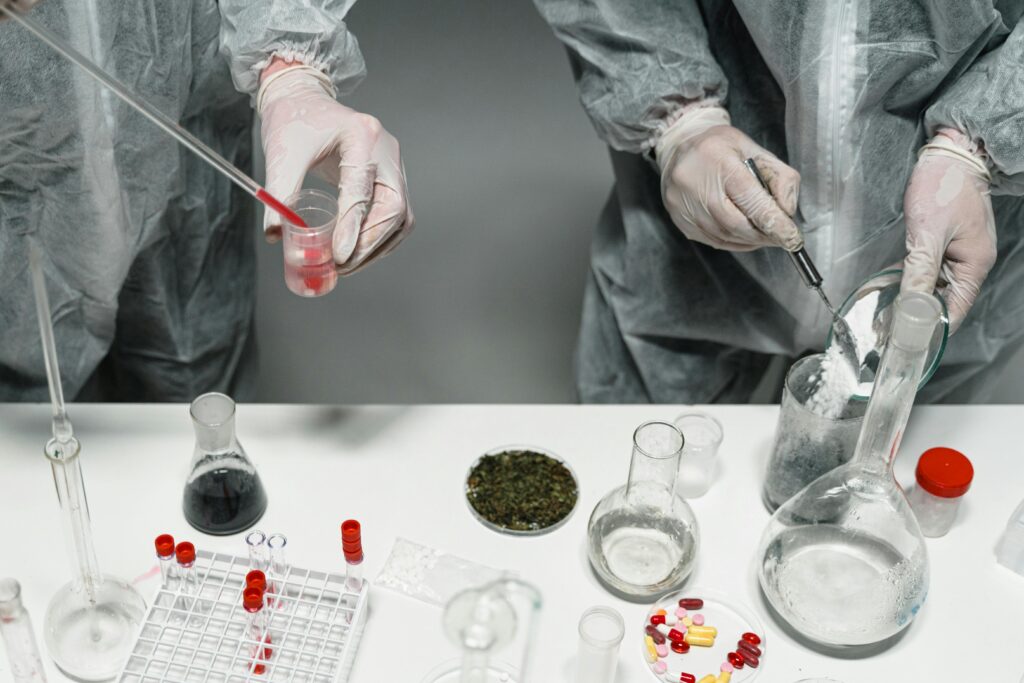
The variety of substances used to cut cocaine creates a complex array of scent modifications that can dramatically alter the drug’s smell profile. Understanding these common cutting agents helps explain why cocaine smells can vary so dramatically between different sources and batches.
Baking soda, frequently used in processing crack cocaine, creates a slightly alkaline, soapy scent that often persists even after other processing steps. This common cutting agent not only changes the chemical composition but also contributes its own distinctive odor signature to the final product.
Flour or baby powder, among the most common bulking agents, add a dusty, powdery smell that can mask some of the harsher chemical odors. However, these substances also create their own artificial sweet or talc-like odor that experienced users and law enforcement can identify.
Bleach produces some of the harshest, most immediately recognizable chemical odors when used as an adulterant. The chlorine-like chemical scents created by bleach are unmistakably artificial and potentially hazardous, creating additional health risks beyond the cocaine itself.
Laundry detergent contributes fresh, artificial fragrance notes that drug dealers sometimes use specifically to mask other odors. However, this creates a distinctly artificial “clean” smell that’s easily distinguishable from genuine cleanliness.
Lidocaine, added to mimic cocaine’s numbing effects, introduces a strong medicinal, numbing agent smell that adds pharmaceutical notes to the overall scent profile. Similarly, levamisole, a veterinary dewormer sometimes found in street cocaine, may create metallic or pharmaceutical odors that further complicate the scent signature.
These dangerous additives not only alter the smell but also create additional health risks and complicate addiction treatment. The unpredictable nature of cutting agents means that cocaine abuse carries risks far beyond the drug itself.
Cocaine Paraphernalia and Associated Smells
Drug paraphernalia retains distinctive odors that can persist long after drug use has stopped. Understanding these associated smells provides additional identification tools for recognizing cocaine use and potential addiction.
Glass pipes used for smoking crack retain burnt chemical scents from repeated use. These pipes develop a persistent odor that combines burnt plastic, chemical residues, and the metallic smell of heated glass. The paraphernalia includes spoons and other implements used for heating cocaine, which often develop scorched or burnt plastic/rubber smells.
Rolled bills or straws used for snorting powder cocaine may carry faint powder residue odors, though these are typically less intense unless recently used. The paper or plastic materials can absorb some of the chemical scents, creating a subtle but detectable odor signature.
Syringes and injection equipment generally carry only mild chemical traces unless contaminated with other substances. However, the combination of cocaine residue with other materials used in injection preparation can create complex scent profiles.
Lighters and torches used in crack cocaine preparation and consumption develop burnt material odors from repeated exposure to the chemicals involved in drug use. These tools often retain distinctive scents that can indicate their use in drug consumption.
Identifying Fentanyl-Laced Cocaine by Smell
The growing prevalence of fentanyl contamination in cocaine supplies has created new scent profiles that users and concerned individuals should recognize. Fentanyl-laced cocaine often produces a sharper, more acrid chemical smell resembling bleach or ammonia, creating an overpowering odor when heated or smoked.
This dangerous combination may exhibit a metallic or medicinal scent that’s significantly stronger than typical cocaine. The smell of fentanyl contamination can include bitter almond or vinegar-like undertones that create a more complex and usually more unpleasant odor profile.
However, experts universally caution that smell alone is completely unreliable for detecting fentanyl presence. The only safe method for identifying fentanyl contamination involves chemical testing using fentanyl test strips or professional laboratory analysis. Relying on scent for fentanyl detection can have fatal consequences, as even tiny amounts of fentanyl can cause overdose.
The presence of fentanyl in cocaine supplies represents one of the most significant dangers in current drug markets, making professional intervention and addiction treatment more critical than ever.
Environmental Factors Affecting Cocaine Odor Detection
Multiple environmental variables influence whether and how effectively cocaine smells can be detected. Understanding these factors helps explain why cocaine odors may be more or less noticeable in different situations.
Humidity and temperature significantly impact odor detection. High humidity and warm temperatures can intensify volatile chemical odors, making cocaine smells more detectable. Conversely, cold or dry conditions may mask these odors, reducing their noticeability.
Ventilation plays a crucial role in odor persistence and detection. Good airflow rapidly disperses chemical smells, while enclosed or poorly ventilated spaces can trap and concentrate cocaine odors for extended periods. This is particularly relevant for crack cocaine smoke, which can linger for days in unventilated areas.
Fabric and porous materials readily absorb and retain chemical scents, especially from smoking crack cocaine. Carpets, upholstery, clothing, and soft furnishings can harbor cocaine odors long after active use has stopped, creating lasting evidence of drug use.
Time since use directly impacts odor strength and detectability. While powder cocaine odors typically dissipate relatively quickly, the burnt plastic smell from crack cocaine can persist much longer, particularly in enclosed spaces or on porous materials.
Other substances and masking agents sometimes deliberately conceal cocaine odors. Air fresheners, incense, and strongly scented products may temporarily mask drug smells, though trained detection dogs and sensitive equipment can often still identify the underlying chemical signatures.
When to Seek Professional Help

Recognizing cocaine smells can serve as an important early warning sign that indicates potential substance abuse requiring immediate attention. Early detection through scent recognition, combined with other warning signs and behavioral changes, can prompt timely intervention that significantly improves treatment success rates.
Medical detox programs provide safe, supervised withdrawal management specifically designed to handle the medical complications that can arise during cocaine cessation. These programs offer both inpatient and outpatient treatment options, with modern evidence-based therapies including cognitive-behavioral therapy and contingency management showing strong success rates for supporting long-term sobriety.
Behavioral signs accompanying cocaine use often include changes in sleeping habits, mood swings, dilated pupils, and alterations in physical appearance. When combined with the detection of cocaine smells, these warning signs should prompt immediate professional consultation.
Addiction treatment programs understand that cocaine addiction affects not just the individual but entire families and social networks. Family support and education programs help loved ones better understand addiction while providing tools for supporting recovery efforts effectively.
The recovery process requires professional guidance to address both the physical and psychological aspects of cocaine addiction. Treatment programs offer comprehensive approaches that address underlying causes while building sustainable recovery skills.
Seeking professional help early in the addiction process significantly improves outcomes and reduces the risk of dangerous complications, including overdose from fentanyl-contaminated supplies.
FAQ
Does pure cocaine have a smell? Pure cocaine hydrochloride is nearly odorless, but street cocaine always contains cutting agents that create detectable chemical smells. The harsh processing chemicals and various additives used in illicit production ensure that street cocaine carries distinctive odor signatures.
How long does cocaine smell linger in a room? Crack cocaine smoke can linger for hours to days depending on ventilation, while powder cocaine odors dissipate more quickly. Environmental factors like humidity, temperature, and air circulation significantly affect how long these chemical odors remain detectable.
Can you smell cocaine on someone’s breath? Powder cocaine typically doesn’t create strong breath odors, but smoking crack or freebase can leave persistent chemical smells on breath and clothing. The combustion process creates volatile compounds that adhere to various surfaces including the respiratory system.
What’s the difference between cocaine and crack smell? Powder cocaine has subtle chemical odors similar to cleaning products or gasoline, while crack produces strong burnt plastic smells when smoked. The heating process involved in crack use creates much more intense and persistent odors.
Is cocaine smell dangerous to inhale? While brief exposure isn’t immediately dangerous, the chemicals used in cocaine production and cutting agents can be harmful with prolonged exposure. The various toxic substances involved in processing and adulterating cocaine create additional health risks beyond the drug itself.
Can drug dogs detect cocaine by smell? Yes, trained drug detection dogs can identify cocaine and its distinctive chemical signatures even when masked by other scents. Their sensitive detection capabilities can identify the specific compounds associated with cocaine despite attempts to conceal the odors.
How does cocaine smell compare to other drugs? Unlike marijuana smell, which tends to be more organic and plant-like, or heroin smell, which often has vinegar-like characteristics, cocaine smell is distinctly chemical and artificial. The cocaine taste and smell both reflect the extensive chemical processing involved in its production.
What should I do if I detect cocaine smells? If you suspect cocaine use based on smell or other warning signs, seeking professional guidance through addiction recovery programs can make the difference in someone’s recovery journey. Early intervention significantly improves treatment outcomes and reduces risks associated with continued drug abuse.
The complexity of cocaine’s scent profile reflects the dangerous and unpredictable nature of street drugs. While understanding these odor characteristics can aid in identification, the presence of dangerous additives like fentanyl makes professional intervention and support groups essential for anyone struggling with cocaine abuse. Effective treatment and effective treatments are available, and recognizing the warning signs early can save lives and support successful long term recovery.