If you’ve discovered a white pill with ‘Cipla 159’ on it, you’re probably wondering what it is. The Cipla 159 pill white is a meloxicam tablet, used to alleviate pain and inflammation. In this article, you’ll learn about its uses, how to identify it accurately, proper dosages, potential side effects, and other important information.
Key Takeaways
- The Cipla 159 pill, containing meloxicam, is a nonsteroidal anti-inflammatory drug (NSAID) used to treat pain and inflammation associated with arthritis conditions.
- Proper identification of the Cipla 159 pill is crucial, featuring a white, round shape and the imprint ‘CIPLA 159,’ to prevent medication errors.
- Meloxicam has potential side effects and drug interactions; careful monitoring is necessary, especially for vulnerable populations such as the elderly and those with pre-existing conditions.
What Is the Cipla 159 Pill?

The Cipla 159 pill is a medication used to treat pain and inflammation, making it a vital option for many patients suffering from various forms of arthritis and other inflammatory conditions. Categorized under nonsteroidal anti-inflammatory drugs (NSAIDs), this pill contains meloxicam as its active ingredient, which is known for its potent anti-inflammatory and pain-relieving properties.
Produced by Cipla USA, a reputable pharmaceutical company, the Cipla 159 pill comes in a dosage strength of 15 mg. It is not classified as a controlled substance, which means it is more accessible yet still requires a prescription to ensure safe and appropriate use.
Understanding the Cipla 159 pill and its primary function lays the foundation for safe and effective treatment. Next, we’ll explore how to identify this pill correctly, so you can confidently distinguish it from other medications.
Identifying the Cipla 159 Pill
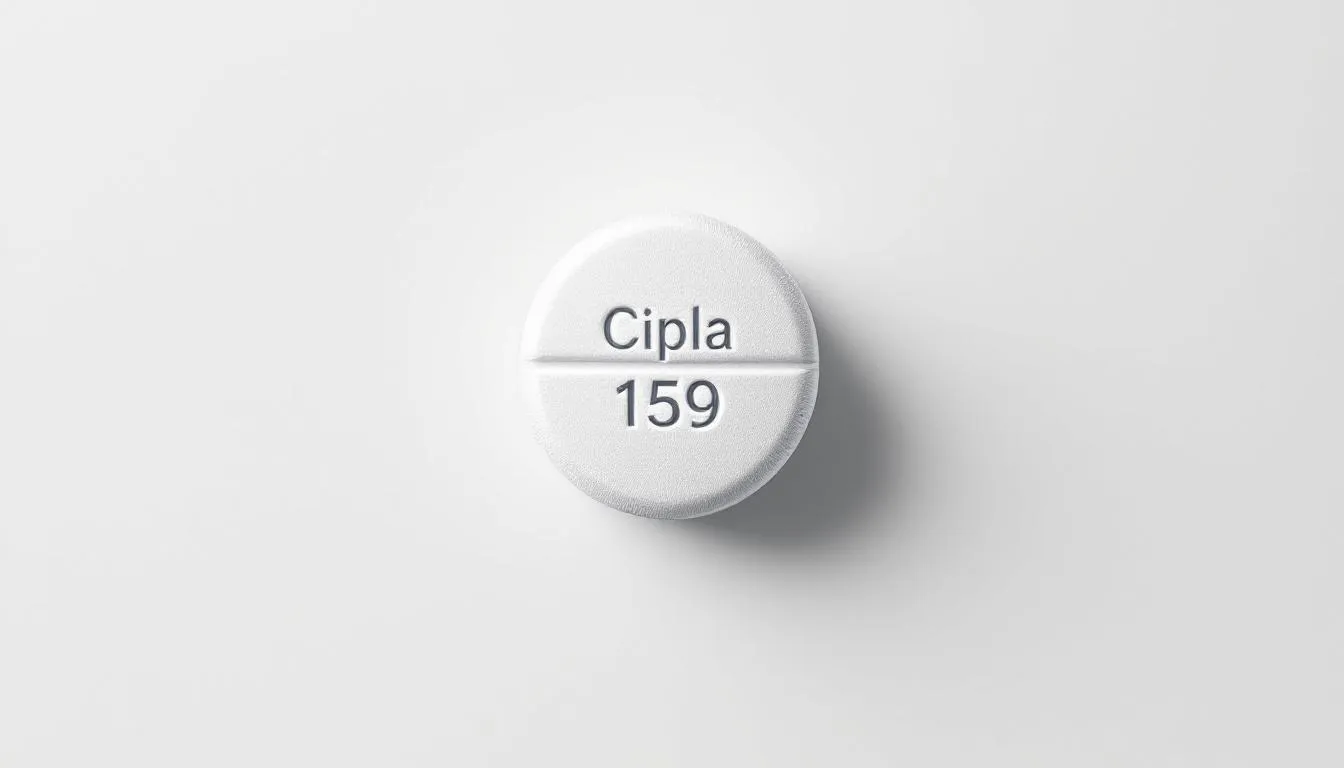
Accurate identification of the Cipla 159 pill ensures proper usage and avoids potential medication errors. The pill is white and round, making it visually distinct from others that differ in color or shape. These physical characteristics are the first clues in identifying the medication.
The most definitive feature of the Cipla 159 pill is its imprint code. The pill is marked with the code ‘CIPLA 159’, which is a unique identifier used to distinguish it from other medications. This imprint cipla code is essential for healthcare providers, pharmacists, and patients to verify the pill’s identity accurately.
Identifying the Cipla 159 pill by its color, shape, and imprint code can prevent dangerous mix-ups, ensuring patients receive the correct medication. Now, let’s explore the various uses of meloxicam, the active ingredient in the Cipla 159 pill.
Uses of Meloxicam
Meloxicam, the active ingredient in the Cipla 159 pill, is a powerful anti-inflammatory drug used primarily to alleviate pain, swelling, and stiffness associated with arthritis. This medication is particularly effective in treating conditions like osteoarthritis and rheumatoid arthritis, providing much-needed relief to patients who suffer from chronic joint pain.
In addition to adult arthritis, meloxicam is also utilized to treat juvenile rheumatoid arthritis in children aged two years and older, showcasing its versatility and importance in managing various types of arthritis. Meloxicam works by reducing the hormones that cause inflammation and pain in the body, acting as a COX-2 inhibitor. This mechanism makes it a valuable tool in the arsenal against inflammatory conditions.
As a nonsteroidal anti-inflammatory drug (NSAID), meloxicam does not cure arthritis; instead, it helps control the symptoms such as inflammation, stiffness, and pain in the joints. By managing these symptoms, patients can enjoy improved mobility and a better quality of life, similar to the effects of nonselective nsaids.
Understanding the uses of meloxicam helps appreciate the Cipla 159 pill’s role in treatment plans. Knowing how this medication works and its applications aids in making informed decisions about managing arthritis and related conditions effectively.
Dosage Forms and Administration

Meloxicam is available in several dosage forms, including oral meloxicam tablets, capsules, and a liquid suspension, providing flexibility for patients with different needs and preferences. The Cipla 159 pill, specifically, is a meloxicam tablet with a dosage strength of 15 mg.
For adult patients, the typical starting dose of meloxicam is 7.5 mg per day, which can be increased to a maximum daily dose of 15 mg if additional relief is required. This dosage flexibility allows healthcare providers to tailor treatment plans to individual patient needs, ensuring optimal efficacy and safety.
In addition to tablets, meloxicam is also available in a liquid suspension, formulated to provide a dose of 7.5 mg per 5 mL. This form is particularly useful for patients who have difficulty swallowing pills or require a more precise dosage adjustment.
Lastly, meloxicam can be administered intravenously in an injectable form, typically reserved for hospital settings or severe cases where immediate relief is necessary. Knowing the various dosage forms and administration methods ensures effective treatment options and maximizes meloxicam’s benefits.
Side Effects of Meloxicam
Like all medications, meloxicam comes with potential side effects, ranging from mild to serious. Common side effects include gastrointestinal issues such as nausea, vomiting, and stomach pain, as well as cardiovascular risks and skin reactions. Recognizing these side effects is crucial for early detection and management.
Older adults who take meloxicam face a higher likelihood of experiencing serious adverse drug reactions occurring. These effects can impact the heart, digestive system, or kidneys. This heightened risk necessitates careful monitoring and consultation with healthcare providers to mitigate potential complications.
Children with pre-existing heart conditions are particularly vulnerable to serious cardiovascular issues when using meloxicam. Thus, evaluating the risks thoroughly before prescribing this medication to young patients is vital.
Severe nausea, vomiting, and stomach pain may be symptoms of a meloxicam overdose. Additionally, it can lead to stomach bleeding, heart problems, and organ failure. High doses or prolonged use of meloxicam can significantly increase the risk of heart problems and other adverse drug reactions.
Meloxicam may also affect ovulation, potentially impacting fertility in sexually active women. Knowing these side effects and their implications helps in making informed decisions about using meloxicam and managing its risks effectively.
Drug Interactions and Precautions
Meloxicam can interact with various other medications, leading to increased risks and complications. For instance, combining meloxicam with selective serotonin reuptake inhibitors (SSRIs) or serotonin-norepinephrine reuptake inhibitors (SNRIs) can elevate the likelihood of clinically significant drug interactions and bleeding. Being aware of these interactions helps prevent adverse outcomes.
Using meloxicam alongside corticosteroids can significantly raise the risk of developing stomach ulcers. Additionally, when taken with warfarin, meloxicam can greatly heighten the risk of stomach bleeding.
Meloxicam can also affect kidney function, especially when used in conjunction with drugs like cyclosporine or methotrexate. This interaction underscores the importance of regular monitoring and adjusting treatment plans as needed.
Patients with liver disease might experience liver function that may worsen while on meloxicam, and the medication may reduce the effectiveness of certain blood pressure drugs. Managing these interactions and taking necessary precautions ensure the safe and effective use of meloxicam.
Safety Considerations for Specific Populations
Certain populations require special consideration when it comes to using meloxicam. For pregnant women:
- Use of meloxicam beyond 30 weeks of pregnancy is not recommended due to potential harm to the fetus.
- It can cause serious heart or kidney issues in the unborn baby.
- It should generally be avoided after 20 weeks unless directed by a healthcare provider.
Children aged two years and older can be prescribed meloxicam, but it is essential to monitor them closely for any side effects. Consulting a healthcare provider before prescribing meloxicam to children is crucial to assess individual risks.
Elderly patients may experience heightened risks of gastrointestinal bleeding, heart problems, and kidney issues when using meloxicam, which can lead to an increased risk of complications. This demographic should be carefully monitored, and dosages may need to be adjusted to minimize potential complications.
Patients with renal impairment may require a reduced dosage of meloxicam to avoid adverse effects. Consulting a healthcare provider before prescribing meloxicam to elderly patients is crucial to assess and manage these risks.
How to Identify Unfamiliar Pills
Identifying unfamiliar pills is critical for medication safety. The imprint code on a pill, such as ‘CIPLA 159’, is often the primary detail needed for accurate identification. Combined with the pill’s color and shape, this code helps distinguish it from other medications.
Pill identifiers are valuable tools that allow you to search by various characteristics, including color, shape, and human imprint code. These identifiers can quickly provide information about the pill, helping to prevent dangerous mix-ups.
The Cipla 159 pill, for example, is easily identified by:
- its white color
- round shape
- unique imprint code Using a pill identifier can confirm its identity, ensuring that patients receive the correct medication.
Misidentifying pills can lead to serious health risks. Utilizing pill identifiers and understanding the key characteristics of medications ensures safe and accurate identification every time, as a doctor would recommend.
Proper Disposal of Unidentified Pills

Unidentified pills pose significant safety and environmental risks. If ingested, these pills could be harmful, especially if they contain potent medications or substances. Proper disposal of unidentified pills is crucial to prevent accidental ingestion and environmental contamination.
If you find an unidentified pill, try to identify it using a pill identifier or by consulting a healthcare provider. Once identified, dispose of it according to FDA guidelines or local pharmacy take-back programs. These steps ensure safe and responsible disposal of medications.
Summary
The Cipla 159 pill, with its active ingredient meloxicam, plays a vital role in managing pain and inflammation associated with arthritis. Understanding its uses, dosage forms, and potential side effects is crucial for safe and effective treatment.
Proper identification of the Cipla 159 pill, through its unique imprint code, color, and shape, ensures that patients receive the correct medication. Being aware of drug interactions, precautions for specific populations, and the importance of proper disposal further enhances medication safety.
By staying informed and vigilant, you can take charge of your health and ensure that medications like the Cipla 159 pill are used safely and effectively. Remember, knowledge is power when it comes to managing your health and well-being.
Frequently Asked Questions
What is the Cipla 159 pill used for?
The Cipla 159 pill, which contains meloxicam, is primarily used for alleviating pain and inflammation linked to different types of arthritis.
How can I identify the Cipla 159 pill?
You can identify the Cipla 159 pill by its white, round shape and the imprint code ‘CIPLA 159’ on its surface. This distinct marking ensures accurate identification.
What are the potential side effects of taking meloxicam?
Taking meloxicam may lead to gastrointestinal issues, cardiovascular risks, skin reactions, and in severe instances, organ failure. It is essential to consult a healthcare professional to monitor for these potential side effects.
Are there any drug interactions I should be aware of with meloxicam?
Meloxicam can interact with SSRIs, SNRIs, corticosteroids, warfarin, and certain blood pressure medications. It is crucial to consult with your healthcare provider about potential drug interactions before starting treatment.
How should I dispose of unidentified pills?
Unidentified pills should be identified with a pill identifier or by consulting a healthcare provider, and then disposed of following FDA guidelines or local pharmacy take-back programs. Prioritizing safety in disposal is essential for your health and the community’s well-being.