Wondering about generic white clonazepam 2mg? This guide will help you identify these pills, understand their uses, side effects, and proper dosages.
Key Takeaways
- Generic white clonazepam 2mg pills are identifiable by their round shape and specific imprints, crucial for avoiding medication errors.
- Clonazepam is primarily used for treating seizure disorders and panic disorder, making it an important medication for managing anxiety and seizure symptoms.
- Proper dosage administration, awareness of side effects, and avoiding drug interactions are essential for the safe and effective use of clonazepam.
Identifying Generic White Clonazepam 2mg

Correct identification of clonazepam ensures the right medication is taken. Recognizing the distinct features of generic white clonazepam 2mg pills can prevent medication errors and potential health risks. These pills are round in shape and are identifiable by unique imprints that distinguish them from other medications.
Visual characteristics are key in identifying clonazepam, ensuring the medication is genuine and correctly dosed. Understanding these features will help you become familiar with its appearance and imprints.
Several manufacturers produce generic clonazepam, creating a competitive market. Knowing common manufacturers helps in recognizing authentic products and understanding available varieties.
Visual Characteristics
Generic white clonazepam 2mg pills have the following identifying features:
- Notably round and white in color
- Imprints typically include the number ‘2’ and the word ‘Klonopin’
- Different manufacturers may have distinct imprints, such as ‘TEVA 834’ for 2mg variants
- Klonopin pills have a K-shaped cutout and specific imprints
Recognizing these imprints ensures you are taking the correct medication.
The importance of these imprints cannot be overstated. They not only indicate the dosage but also the manufacturer, which is a critical detail for traceability and quality assurance. Familiarizing yourself with these visual cues allows you to confidently identify generic white clonazepam 2mg pills and reduce the risk of medication errors.
Common Manufacturers
Several manufacturers, including Barr Laboratories and Teva Pharmaceuticals, produce generic clonazepam, enhancing accessibility and providing reliable options for patients.
This competitive market not only ensures accessibility but also promotes variety in the medication forms available to patients. Understanding who manufactures your medicine can be an additional step in ensuring its authenticity and quality. Here is a complete list of considerations to keep in mind.
Awareness of these manufacturers allows you to make informed choices about the clonazepam products you use.
Uses of Clonazepam

Clonazepam’s anticonvulsant and anxiolytic properties make it valuable for treating various conditions, particularly seizure disorders, panic disorder, and benzodiazepine-related issues.
Clonazepam is frequently prescribed for seizure disorders and panic disorder, significantly improving patients’ quality of life and managing symptoms effectively.
Seizure Disorders
Clonazepam is highly effective in treating various types of seizure disorders, including:
- Absence seizures
- Akinetic seizures
- Myoclonic seizures
- Lennox-Gastaut syndrome
This wide range of applications makes clonazepam an essential medication for those suffering from these debilitating conditions. Clonazepam’s management of seizures significantly improves patients’ quality of life, allowing for more normal, less interrupted lives.
Clonazepam’s ability to manage various seizure types underscores its versatility and importance, making it a cornerstone in treating seizure disorders and providing relief and stability.
Panic Disorder
Clonazepam alleviates symptoms of panic attacks and anxiety, providing substantial relief for patients with panic disorder. However, it is not approved for treating panic disorder in individuals under 18 years.
Clonazepam’s effectiveness in managing anxiety symptoms, in addition to its primary uses, demonstrates its multifaceted benefits, contributing to overall mental well-being and making it valuable for anxiety disorders.
Dosage and Administration
Taking clonazepam as prescribed ensures its effectiveness and safety. Follow these guidelines:
- Swallow the medication whole with water.
- Follow the prescription label accurately.
- Adhere to your doctor’s instructions to prevent reduced effectiveness or increased side effects.
- Contact your healthcare provider if clonazepam stops working effectively.
Clonazepam is available in various forms, including Klonopin and Klonopin ODT, offering flexibility in administration. Knowing the proper dosage and administration methods ensures the medication provides the intended benefits while minimizing risks.
Recommended Dosages
For seizure prevention, the typical starting dose for adults is 1.5 mg daily, divided into three doses. This dosage can be adjusted based on the patient’s response and needs. For managing panic disorder, the initial dose is often 0.25 mg taken twice a day, with potential increases after three days based on patient response. These dosages are designed to balance effectiveness with safety, ensuring that patients receive the appropriate level of medication, including 0.5 mg when necessary.
Adhering to recommended dosages and adjusting them under medical supervision is key to the safe and effective use of clonazepam, preventing potential side effects and ensuring the medication works as intended.
Missed Dose Instructions
If you miss a dose of clonazepam, follow these steps:
- Take it as soon as you remember, unless it’s near your next scheduled dose.
- If it’s near your next dose, skip the missed dose and continue with your regular schedule.
- Avoid taking a double dose to compensate for a missed one, as this helps maintain the medication’s effectiveness and prevents potential overdosing.
Managing missed doses correctly ensures that the medication regimen remains consistent and effective, avoiding disruptions in treatment and maintaining the therapeutic benefits of clonazepam.
Side Effects of Clonazepam
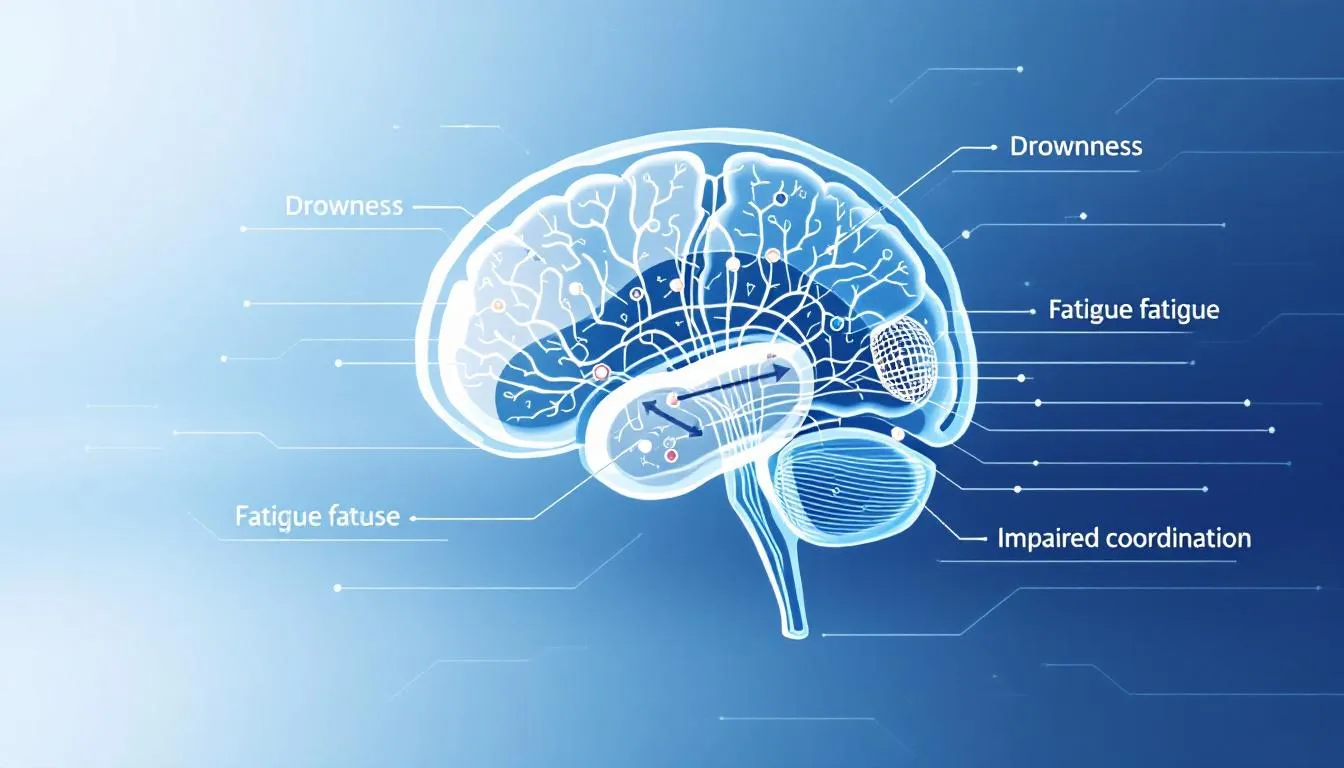
Clonazepam, while effective, has potential side effects. As a central nervous system depressant, it helps prevent seizures but can cause:
- dizziness
- drowsiness
- muscle pain Patients may also experience hallucinations or memory problems. Reporting adverse effects to a healthcare provider is crucial for proper management. Benzodiazepines can also lead to similar side effects.
Understanding these side effects is essential for safe use. Being informed allows patients to recognize symptoms early and seek medical advice promptly, ensuring clonazepam remains beneficial.
Common Side Effects
Common side effects of clonazepam include dizziness, drowsiness, and muscle pain, which can impact daily activities and coordination. Caution is advised when engaging in tasks that require alertness.
Managing these side effects involves monitoring their severity and discussing them with a healthcare provider. Understanding and anticipating these clinical considerations can help patients affect cope better and continue their treatment with fewer disruptions, including seeking medical help when necessary.
Serious Side Effects
Serious side effects of clonazepam can include mental health issues such as suicidal thoughts or actions and severe allergic reaction, characterized by difficulty breathing and swelling of the face, lips, tongue, or throat. Symptoms of an overdose, such as extreme drowsiness, confusion, muscle weakness, fainting, or coma, require immediate medical attention.
Reporting new or worsening symptoms to your healthcare provider is essential. Vigilance about serious side effects can prevent life-threatening situations and ensure safe use of clonazepam.
Drug Interactions

Drug interactions with clonazepam can pose significant risks, including life-threatening breathing issues and sedation. Misusing clonazepam can lead to severe health problems, including coma or death. Awareness of these interactions is crucial for safe medication use.
Avoiding dangerous drug interactions requires awareness of medications and substances that should not be combined with clonazepam and other drugs.
Other Medicines
Informing your healthcare provider of all medications you are taking is crucial to avoid adverse reactions. Interactions may occur with antihistamines, antidepressants, and medications for anxiety or sleep. Using clonazepam with central nervous system depressants can heighten the risk of life-threatening conditions. Alcohol consumption can significantly amplify clonazepam’s calming effects, leading to greater impairment.
Open communication with your healthcare provider about your medications ensures potential interactions are managed effectively, preventing dangerous side effects and maximizing clonazepam’s benefits.
Alcohol and Substance Use
Avoid alcohol while taking clonazepam due to the risk of exacerbating its sedative effects. Combining alcohol with clonazepam can lead to:
- Increased drowsiness and impairment, making activities like driving or operating machinery extremely dangerous
- Heightened risk of severe drowsiness
- Breathing problems
- Coma
- Even death when taken with opioids
Understanding these risks is crucial for anyone taking clonazepam. Avoiding alcohol and being mindful of other substances that interact with clonazepam can prevent serious health issues and ensure safe and effective use.
Precautions and Warnings
Clonazepam carries significant risks and precautions to consider:
- It carries significant risks of physical dependence and misuse.
- As a controlled substance, it must be used cautiously to prevent addiction, overdose, or death.
- Patients should gradually taper off clonazepam under medical supervision to avoid withdrawal symptoms.
- Certain medications can enhance clonazepam’s sedative effect, increasing the risks.
Discussing health conditions, current medications, and substance use history with your healthcare provider before using clonazepam helps tailor the treatment to individual needs and ensures safe use.
Special Populations
Elderly patients may experience prolonged sedative effects and an increased risk of falls when taking clonazepam. Pregnant women should consult their healthcare provider due to potential risks to the fetus and register with a pregnancy registry to monitor clonazepam’s effects on their unborn baby.
Individuals with impaired liver function should avoid using clonazepam due to the risk of enhanced side effects. People allergic to clonazepam or those with liver disease should consult their doctor before taking the medication to ensure its safe use.
Storage and Security
Store clonazepam with the following guidelines:
- At room temperature, away from moisture, heat, and light.
- Recommended storage temperature: between 68 °F to 77 °F (20 °C to 25 °C).
- Short periods allowed between 59 °F to 86 °F (15 °C to 30 °C).
- Keep clonazepam out of reach of children, as it is a controlled substance.
Proper storage ensures the medication remains effective and prevents accidental ingestion by children or misuse by others. Following these guidelines is a crucial step in responsible medication management.
Withdrawal Symptoms and Tapering Off

Suddenly stopping clonazepam can cause severe withdrawal symptoms, including life-threatening issues such as seizures. Gradual tapering is essential because:
- It allows the body to adjust to lower doses.
- It significantly reduces withdrawal reactions.
- It helps prevent severe reactions associated with withdrawing from Klonopin.
Understanding the importance of a slow taper and recognizing withdrawal symptoms can help ensure a safe discontinuation process.
Recognizing Withdrawal Symptoms
Withdrawal symptoms from clonazepam may include tremors, hallucinations, and severe anxiety. Physical symptoms can include dizziness and muscle pain, while psychological effects can lead to depression and confusion. Severe complications like seizures can occur if clonazepam is stopped suddenly.
Recognizing these following symptoms early and seeking medical advice for substance use disorder is crucial for managing withdrawal safely. Awareness of these potential issues helps prepare patients for the tapering process and ensures they receive appropriate support.
Gradual Reduction Plan
Tapering off clonazepam should always be done under medical supervision to ensure safety. The recommended approach is a slow taper, which allows the body to adjust gradually to lower doses. This method significantly reduces the risk of severe withdrawal reactions and helps maintain stability during the discontinuation process, especially for those taking benzodiazepines.
Following a structured tapering plan under professional guidance ensures that patients can discontinue clonazepam safely and effectively, minimizing the risk of adverse effects.
Summary
Clonazepam is a powerful medication with significant benefits for treating seizure disorders and panic disorder. However, its use comes with potential risks and side effects that require careful management. Identifying the medication correctly, understanding its uses and dosages, and being aware of side effects and drug interactions are crucial for safe use.
By following medical advice, storing the medication properly, and recognizing the importance of gradual tapering, patients can use clonazepam effectively while minimizing risks. Informed use of clonazepam ensures that its benefits are maximized while adverse effects are kept in check. Stay informed, stay safe, and ensure that your journey with clonazepam is a positive one.
Frequently Asked Questions
What are the visual characteristics of generic white clonazepam 2mg pills?
Generic white clonazepam 2mg pills are round and white, typically imprinted with the number ‘2’ and the word ‘Klonopin’, although variations like ‘TEVA 834’ may also exist depending on the manufacturer.
What are the common uses of clonazepam?
Clonazepam is commonly used to treat seizure disorders and panic disorders, effectively managing various types of seizures and alleviating symptoms of panic and anxiety.
What should I do if I miss a dose of clonazepam?
If you miss a dose of clonazepam, take it as soon as you remember. However, if it’s close to your next scheduled dose, skip the missed dose. Avoid taking a double dose to compensate.
What are the common side effects of clonazepam?
Common side effects of clonazepam include dizziness, drowsiness, and muscle pain. It is important to be aware of serious side effects such as suicidal thoughts and allergic reactions.
How should clonazepam be stored?
Clonazepam must be stored at room temperature, ideally between 68°F to 77°F, protected from moisture, heat, and light. Additionally, it should be kept out of reach of children due to its status as a controlled substance.