Meloxicam is an NSAID that helps reduce pain and inflammation for conditions like osteoarthritis and rheumatoid arthritis. In this article, you’ll learn about meloxicam’s uses, correct dosage, potential side effects, and possible drug interactions.
Key Takeaways
- Meloxicam is an NSAID used primarily for pain relief and inflammation in conditions like osteoarthritis and rheumatoid arthritis, and it is available in various formulations including tablets, injections, and oral suspensions to cater to different patient preferences.
- Appropriate dosing is essential for effectiveness and safety; the initial dose for adults typically starts at 7.5 mg, with monitoring for potential adjustments needed based on individual health factors and the presence of side effects.
- Meloxicam carries risks for serious side effects, including heart attack and gastrointestinal issues, especially in certain populations such as the elderly and those with pre-existing conditions, highlighting the importance of medical supervision and awareness of drug interactions.
What is Meloxicam?

Meloxicam is a nonsteroidal anti-inflammatory drug (NSAID) that is primarily used to relieve pain and inflammation. It is widely prescribed for conditions such as osteoarthritis, rheumatoid arthritis, and juvenile rheumatoid arthritis, providing much-needed relief for those suffering from these chronic ailments. The versatility of Meloxicam in treating various forms of arthritis makes it a valuable tool in the arsenal against chronic pain.
Comprehending Meloxicam’s role and mechanism is crucial for those considering or already on this medication. The drug works by targeting specific pathways in the body to reduce inflammation and meloxicam blocks treat pain, making it an effective option for many patients.
Upcoming sections explore Meloxicam’s functionality and available forms, providing an in-depth overview for both new and current users. Being aware of the available forms of Meloxicam aids patients and caregivers in choosing the most appropriate option. From tablets to injections, each form has its unique advantages and considerations, ensuring that there is an option tailored to different patient requirements.
How Meloxicam Works
Meloxicam works by decreasing hormones responsible for pain and inflammation. It also helps to lower fever. Specifically, it inhibits the activity of enzymes involved in the synthesis of prostaglandins, which are compounds that play a key role in the inflammatory process. Blocking these enzymes allows Meloxicam to effectively reduce inflammation and alleviate pain, making it a potent choice for managing arthritis symptoms.
The drug also exerts a fever-reducing effect due to its action on central nervous system pathways. This dual action of reducing both pain and fever highlights the comprehensive nature of Meloxicam’s therapeutic effects. Its ability to modulate prostaglandin synthesis is central to its effectiveness, providing relief from the debilitating symptoms of arthritis.
However, it’s important to note that Meloxicam can interact with other medications and substances, potentially affecting its efficacy and safety. Thus, knowledge of Meloxicam’s operation aids patients and healthcare providers in managing interactions, ensuring safe and effective use.
Types of Meloxicam
Meloxicam is available in various forms, ensuring that patients can find a suitable option for their specific needs. These include tablets, meloxicam oral suspension, oral meloxicam, and capsules, each offering a different mode of administration and convenience. For those who have difficulty swallowing pills, oral suspensions or disintegrating tablets can be particularly beneficial.
Besides oral formulations, Meloxicam is available as an injection for rapid pain relief. This versatility makes Meloxicam a flexible option for managing pain and inflammation, catering to a wide range of patient preferences and medical conditions. The availability of multiple forms ensures that each patient can receive the most appropriate and effective treatment.
The different forms of Meloxicam also come in various meloxicam concentrations, allowing for precise dosing tailored to individual patient needs. This variety highlights the need to consult a healthcare provider to determine the best form and dosage of Meloxicam, considering each patient’s specific medical conditions and lifestyle.
Dosage and Administration
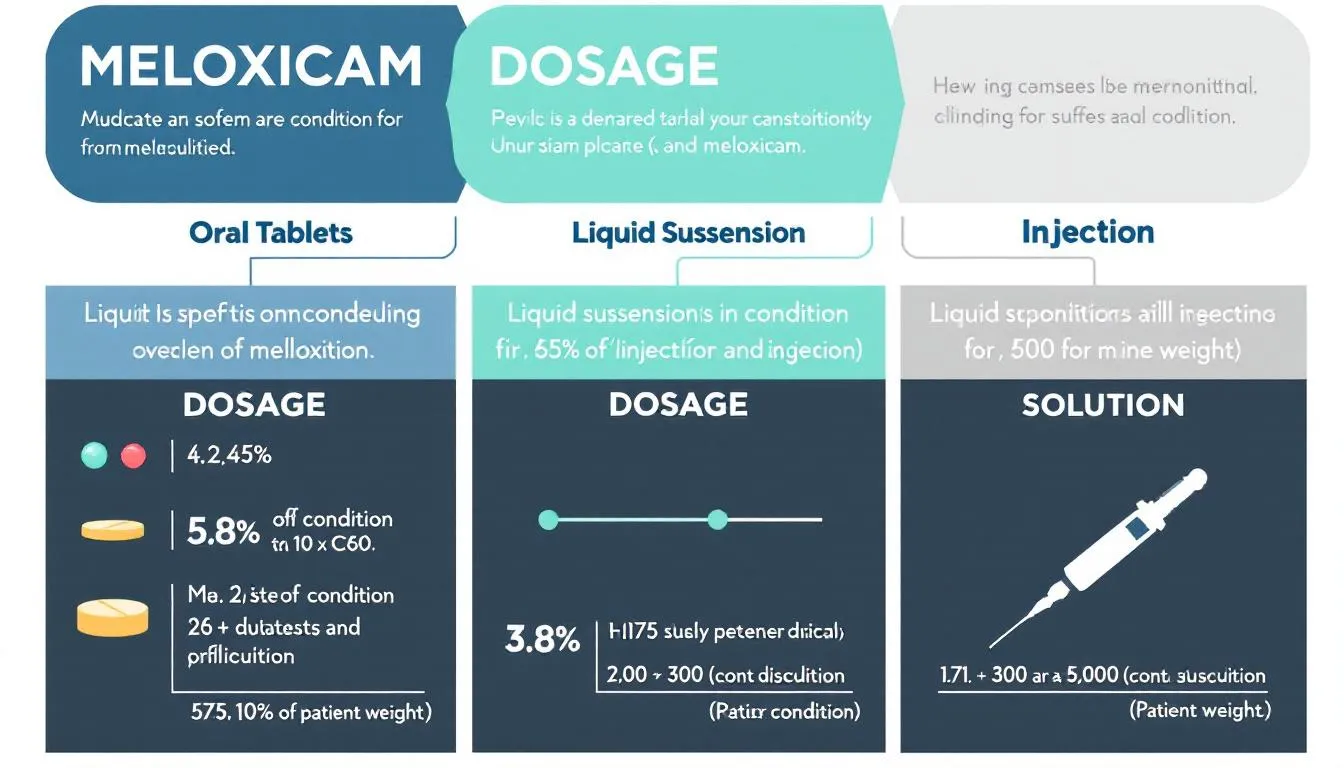
Correct dosage and administration are key to the safe and effective use of Meloxicam. Important points to follow include:
- Follow your doctor’s prescription and medication guides closely.
- Take Meloxicam with food or a meal to help prevent stomach upset, a common side effect.
- Refer to recommended dosages for various conditions as outlined.
- Follow guidance on handling missed doses.
- Avoid taking double or extra doses.
Different conditions require different dosages of Meloxicam. For instance, the initial dose for osteoarthritis in adults is typically 7.5 mg once a day, with a maximum dose of 15 mg. It is important to adjust the dosage according to the specific needs of the patient, which may vary based on factors such as weight, age, and the presence of other medical conditions.
Knowing the appropriate dosage for your condition helps maximize Meloxicam’s benefits and minimize side effects. This section provides detailed dosage information for osteoarthritis, rheumatoid arthritis, and juvenile rheumatoid arthritis, as well as guidelines for the use of Meloxicam injections.
Adult Dosage for Osteoarthritis
For adults with osteoarthritis, Meloxicam is prescribed to alleviate symptoms associated with this condition. The initial dose is typically 7.5 mg orally once a day, which can be increased to a maximum of 15 mg if additional pain relief is needed. This dosing regimen helps manage the discomfort and inflammation associated with osteoarthritis effectively.
Patients with kidney disease or other underlying health conditions may require dosage adjustments or may not be suitable candidates for Meloxicam. It is crucial to consult with a healthcare provider to determine the appropriate dosage and to monitor for any potential side effects or complications.
Adult Dosage for Rheumatoid Arthritis
For adults dealing with rheumatoid arthritis, the initial recommended dose of Meloxicam is 7.5 mg once daily. If additional analgesia is required, the dosage may be increased to 15 mg once daily. This dosing strategy helps manage the chronic pain and inflammation associated with rheumatoid arthritis, improving the patient’s quality of life.
Similar to osteoarthritis, it’s crucial to adhere to the doctor’s instructions and avoid double or extra doses, as any unusual tiredness or unusual weakness may indicate the need for dosage adjustments. Any changes in dosage should be made under medical supervision to ensure safety and efficacy.
Pediatric Dosage for Juvenile Rheumatoid Arthritis
Meloxicam is also effective for managing juvenile rheumatoid arthritis in children aged two years and older. The usual pediatric dosage is 7.5 mg per day, which is suitable for children weighing at least 60 kg. This dosage helps alleviate the symptoms of juvenile rheumatoid arthritis, allowing children to maintain a more active and comfortable lifestyle.
Following the healthcare provider’s guidance and monitoring for potential side effects is vital, with dosage adjustments made as needed to ensure the child’s safety and well-being before the next dose.
Meloxicam Injection
Meloxicam injection provides immediate pain relief in moderate pain to severe cases. An intravenous bolus of 30 mg can be administered over 15 seconds to provide effective pain management. This form of Meloxicam is particularly useful in situations where rapid pain relief is necessary.
Those receiving Meloxicam injections should be monitored for potential side effects like elevated blood pressure. Regular monitoring and adherence to the prescribed dosage are essential to ensure the safe and effective use of Meloxicam injections.
Potential Side Effects

Meloxicam, like all medications, can cause both common and serious side effects. While many people may experience only mild side effects, it is important to be aware of the potential for severe reactions that require medical attention. This section provides an overview of common side effects as well as more serious adverse effects that may occur.
Common side effects of Meloxicam include stomach upset, dizziness, and headaches. These side effects are usually mild and manageable, but they can be more pronounced in older adults. On the other hand, serious side effects such as heart attack, stroke, and gastrointestinal bleeding require immediate medical attention and can have significant health implications.
Being aware of Meloxicam’s potential side effects enables patients and caregivers to monitor for warning symptoms and seek prompt medical assistance when needed. This section provides detailed information on both common and serious side effects, emphasizing the importance of vigilance and medical oversight.
Common Side Effects
Common side effects of Meloxicam include stomach upset, dizziness, and headaches. These symptoms are generally mild but can be bothersome, especially when starting the medication. Headaches and dizziness may also indicate high blood pressure, which should be monitored closely, particularly in older adults.
Older adults are at a higher risk of gastrointestinal adverse effects due to age-related physiological changes. Starting with lower doses and closely monitoring for signs of gastrointestinal irritation or other common side effects is advisable.
Serious Side Effects
Serious side effects of Meloxicam can include heart attack, stroke, gastrointestinal bleeding, and liver damage. Although rare, these events can be life-threatening, emphasizing the need to recognize warning symptoms early. Symptoms of serious liver problems, such as pale stools, dark urine, and yellowing of the skin or eyes, should prompt immediate medical attention.
Inhibiting both COX-1 and COX-2 enzymes can lead to stomach ulcers or bleeding when taking higher doses of Meloxicam. Patients should be aware of symptoms such as severe headache, sudden numbness, or gastrointestinal irritation, and seek medical help promptly if these occur.
Warnings and Precautions

Taking Meloxicam at the lowest effective dose for the shortest duration necessary helps achieve treatment goals. This approach helps minimize the risk of serious side effects, including cardiovascular issues such as heart attack and stroke. It is essential to use Meloxicam with caution, particularly in specific populations such as pregnant women, breastfeeding mothers, the elderly, and individuals with pre-existing health conditions.
Being aware of Meloxicam’s warnings and precautions helps patients make informed treatment decisions. This section outlines the key risks and provides guidance on how to use the medication safely, emphasizing the importance of medical supervision and adherence to prescribed dosages.
Heart Disease and High Blood Pressure
Those with existing heart issues or risk factors like hypertension face higher risks when using Meloxicam. Severe adverse events linked to Meloxicam include heart attack, heart failure, blood clot, and heart attack or stroke. Therefore, it is crucial to monitor symptoms such as chest pain, trouble breathing, slurred speech, or weakness, and seek immediate medical attention if these occur.
Meloxicam is contraindicated for individuals who have had recent heart surgery, such as coronary artery bypass graft, due to the increased risk of cardiovascular complications. Patients should also be aware that Meloxicam can elevate the effects of other blood thinners, increasing the risk of bleeding.
Gastrointestinal Risks
Using Meloxicam can cause:
- Intestinal bleeding, which might occur without prior symptoms
- Severe gastrointestinal complications like ulcers and internal bleeding with long-term usage
- Increased risk of gastrointestinal bleeding and liver damage when consuming alcohol while taking Meloxicam
Older adults are at a heightened risk for severe gastrointestinal, cardiac, and renal issues when using Meloxicam. It is essential to monitor for symptoms such as stomach pain, tarry stools, and gastrointestinal irritation, and seek medical attention if these occur.
Kidney and Liver Concerns
Extended use of Meloxicam may diminish kidney function and exacerbate existing kidney conditions. It is essential to monitor kidney function in individuals taking Meloxicam, especially those with existing kidney issues or dehydration. Signs of kidney distress, such as reduced urine output and swelling in the legs or face, should be reported to a healthcare provider immediately.
Similarly, individuals with existing liver disease must use Meloxicam cautiously. Symptoms of liver problems, like dark urine or yellowing of the skin, require prompt medical attention to prevent severe complications. Regular monitoring and adherence to prescribed dosages are key to minimizing the risk to kidney and liver health.
Drug Interactions
Meloxicam can interact with 472 different medications, making consultation with healthcare providers crucial before combining it with other treatments. Among these, 101 interactions are classified as major, indicating significant clinical relevance and the necessity for careful management. Understanding these interactions can help prevent serious side effects and ensure the safe use of Meloxicam.
Drug interactions can affect how Meloxicam works and increase the risk of severe side effects. Awareness of how meloxicam interact and potential drug reaction enables patients to take proactive steps to avoid adverse effects.
This section explores the medications to avoid and the impact of alcohol and food on Meloxicam’s effectiveness.
Medications to Avoid
Blood thinner, such as warfarin, should not be used concurrently with Meloxicam due to the increased risk of bleeding. Additionally, patients should avoid combining Meloxicam with other NSAIDs, as this can heighten the risk of gastrointestinal complications. Taking multiple NSAIDs simultaneously can lead to serious side effects, including gastrointestinal irritation and bleeding, and may also prevent blood clots.
Avoiding certain medications while taking Meloxicam is crucial to prevent adverse effects. Always consult with a healthcare provider before starting or stopping any medication to ensure safety and efficacy.
Alcohol and Food Interactions
Alcohol consumption while taking Meloxicam can increase the risk of stomach bleeding. It is important to be cautious about this combination. Alcohol can exacerbate the gastrointestinal side effects of Meloxicam, making it important to limit or avoid alcohol consumption during treatment. Certain foods may also interact with Meloxicam, affecting its absorption and efficacy.
To ensure the best outcomes, patients should follow dietary guidelines provided by their healthcare provider and be mindful of drinking alcohol consumption. This approach helps maximize the benefits of Meloxicam while minimizing the risk of adverse effects.
Special Populations

Special populations, including pregnant women, breastfeeding mothers, elderly patients, and those with pre-existing conditions, require careful consideration when using Meloxicam. The potential risks and benefits must be weighed to ensure the safe and effective use of the medication. This section provides guidance on using Meloxicam in these special populations.
Recognizing the unique needs and risks of different patient groups helps tailor treatment plans for maximum safety and efficacy. This section highlights the specific considerations for each of these special populations in clinical trials.
Pregnancy and Breastfeeding
Using Meloxicam during pregnancy may lead to serious heart or kidney problems in the unborn baby and could cause complications with the pregnancy. Therefore, Meloxicam should be used during pregnancy only if the potential benefit justifies the potential risk to the fetus. It is always best to consult a healthcare provider for personalized advice.
Breastfeeding while on Meloxicam is not recommended without consulting a healthcare provider due to potential risks to the infant. Discussing the risks and benefits with a healthcare provider can help make an informed decision about using Meloxicam during breastfeeding.
Elderly Patients
Older adults may have increased sensitivity to NSAIDs, necessitating caution and potential dose adjustments when prescribing Meloxicam. Due to this increased sensitivity, healthcare providers must closely monitor elderly patients when administering Meloxicam.
Adjusting the dosage for older adults can help minimize the risk of adverse effects and improve treatment outcomes.
Patients with Pre-existing Conditions
Prolonged use of Meloxicam may elevate the risk of cardiovascular events, particularly in individuals with pre-existing heart conditions. Patients taking NSAIDs like Meloxicam may face a heightened risk of cardiovascular events, including heart attack and stroke, especially with long-term use. Therefore, patients with pre-existing health conditions should be informed about these potential risks.
Using Meloxicam cautiously and under strict medical supervision can help avoid exacerbating existing health issues. Regular monitoring and adherence to prescribed dosages are essential for safe and effective treatment.
Storage and Handling
Meloxicam should be stored with the following precautions:
- Keep in a tightly sealed container at room temperature
- Shield from heat, moisture, and direct sunlight
- Prevent freezing
- Store out of reach of children
Proper storage ensures the medication remains effective and safe to use, as indicated on the prescription label.
Unused or expired Meloxicam should be disposed of properly, following guidance from a healthcare professional. This helps prevent accidental ingestion or misuse, ensuring the safety of everyone in the household.
What to Do in Case of Overdose
In the event of a Meloxicam overdose, contact the poison control center at 1-800-222-1222 or seek emergency assistance immediately by calling 911 if the person is unresponsive, has breathing difficulties, or experiences a seizure. Quick action is crucial to prevent severe health consequences; if necessary, consult a doctor immediately.
Activated charcoal may be administered within 1-2 hours of ingestion if a significant amount of Meloxicam has been consumed and the person is symptomatic. For significant overdoses, hospitalization may be necessary, especially if the person exhibits severe symptoms or has ingested dangerous amounts.
Summary
Meloxicam is a versatile and effective medication for managing pain and inflammation associated with various forms of arthritis. By understanding its uses, dosages, side effects, and interactions, patients and caregivers can make informed decisions about its use. Always consult with a healthcare provider before starting or adjusting Meloxicam treatment to ensure safety and efficacy.
In conclusion, while Meloxicam offers significant benefits in pain management, it is essential to use it responsibly and under medical supervision. Being aware of potential risks and taking precautions can help maximize the therapeutic benefits while minimizing adverse effects. Stay informed, stay safe, and take control of your health with the right knowledge and guidance.
Frequently Asked Questions
What is the recommended starting dose of Meloxicam for osteoarthritis?
The recommended starting dose of Meloxicam for osteoarthritis in adults is 7.5 mg once daily, with the option to increase to a maximum of 15 mg if further pain relief is necessary.
Can Meloxicam be used during pregnancy?
Meloxicam may only be used during pregnancy if the potential benefits outweigh the risks to the fetus, due to its potential to cause serious complications. Consult a healthcare professional for personalized advice.
What should I do if I miss a dose of Meloxicam?
If you miss a dose of Meloxicam, take it as soon as you remember unless it’s close to your next scheduled dose; in that case, skip the missed dose and continue with your regular regimen. Do not take an extra dose to make up for the missed one.
What are some common side effects of Meloxicam?
Common side effects of Meloxicam include stomach upset, dizziness, and headaches, which are typically mild but may be more significant in older adults. It is advisable to monitor these effects and consult a healthcare professional if they persist.
How should Meloxicam be stored?
Meloxicam should be stored in a tightly sealed container at room temperature, away from heat, moisture, and direct sunlight, ensuring it is kept out of reach of children.