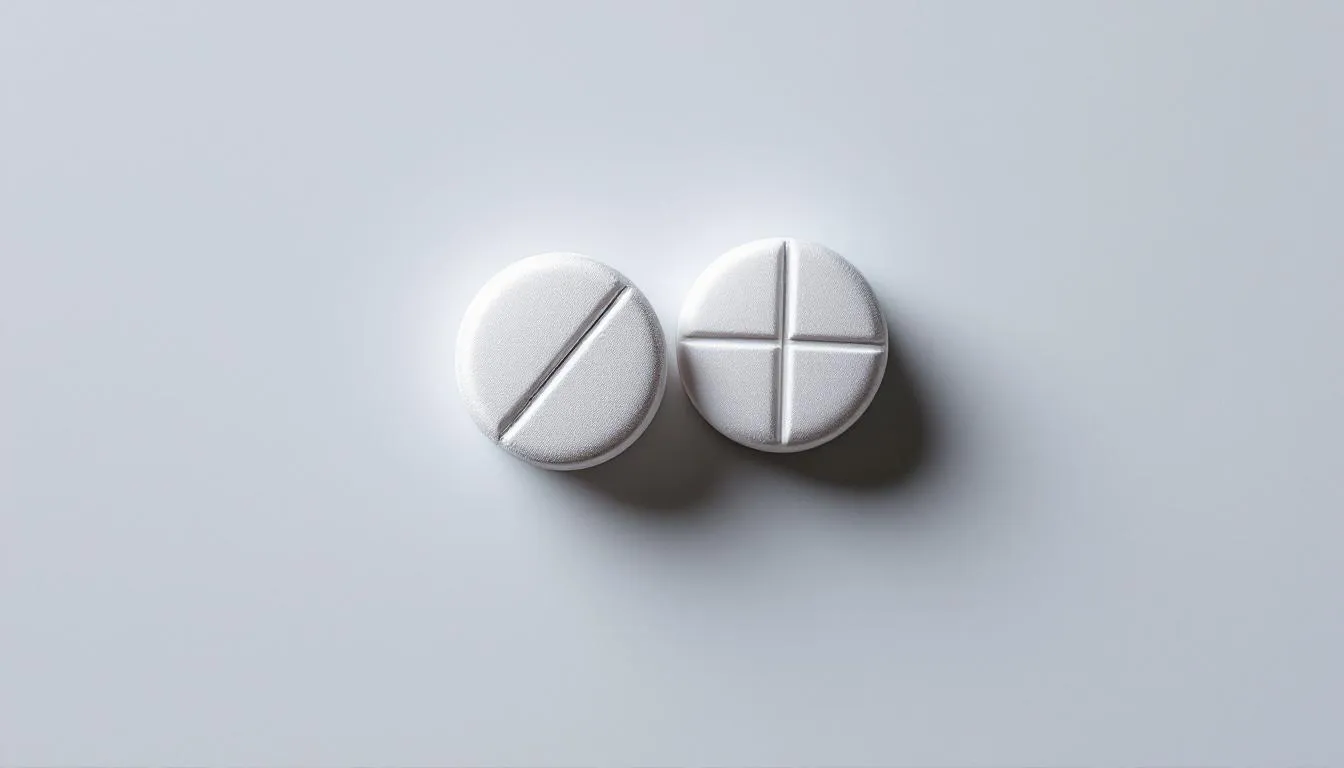
Accurately identifying your Percocet pills is essential for safe usage and avoiding counterfeit medications. The Percocet pill identifier is a valuable tool to help you recognize these pills by their unique colors, shapes, and imprint codes. In this article, you’ll learn how to use these identifiers effectively to ensure you have the right medication.
Key Takeaways
- Accurate identification of Percocet pills using features such as color, shape, and imprint codes is essential to prevent misuse and counterfeiting.
- Understanding the different dosages and effects of Percocet is crucial for effective pain management while minimizing side effects and risks associated with higher dosages.
- Consulting healthcare providers and adhering to prescription guidelines are key to safely using Percocet and avoiding potential addiction and withdrawal symptoms.
Introduction to Percocet
Percocet is a widely prescribed medication used to treat moderate to severe pain when other pain relievers are not effective. This prescription drug is a combination of two active ingredients: oxycodone, a powerful opioid pain reliever, and acetaminophen, which acts as a fever reducer and enhances pain relief. Percocet is available in several strengths, including 2.5 mg, 5 mg, 7.5 mg, and 10 mg of oxycodone, each paired with 325 mg of acetaminophen. The medication is supplied by Endo Pharmaceuticals Inc., and each tablet can be identified by its unique pill color, shape, and imprint. These features help ensure that patients receive the correct medication for their pain management needs and reduce the risk of confusion or misuse.
Identifying Percocet Pills

Accurate identification of Percocet pills ensures optimal pain management. Percocet, a powerful opioid painkiller, is prescribed to treat moderate to severe pain and comes in various forms that can be identified by their unique features, such as color, shape, and imprint codes. These features help prevent misuse or consumption of counterfeit pills. Notably, the oval is percocet shape of some pills is a key identifier.
Understanding these identifiers can be a lifesaver. In the following sections, we will delve into the common colors and shapes of Percocet pills, the significance of imprint codes, and how to use pill identifier tools effectively. This knowledge will not only help in recognizing genuine Percocet but also in avoiding potentially dangerous counterfeit medications.
Common Percocet Colors and Shapes
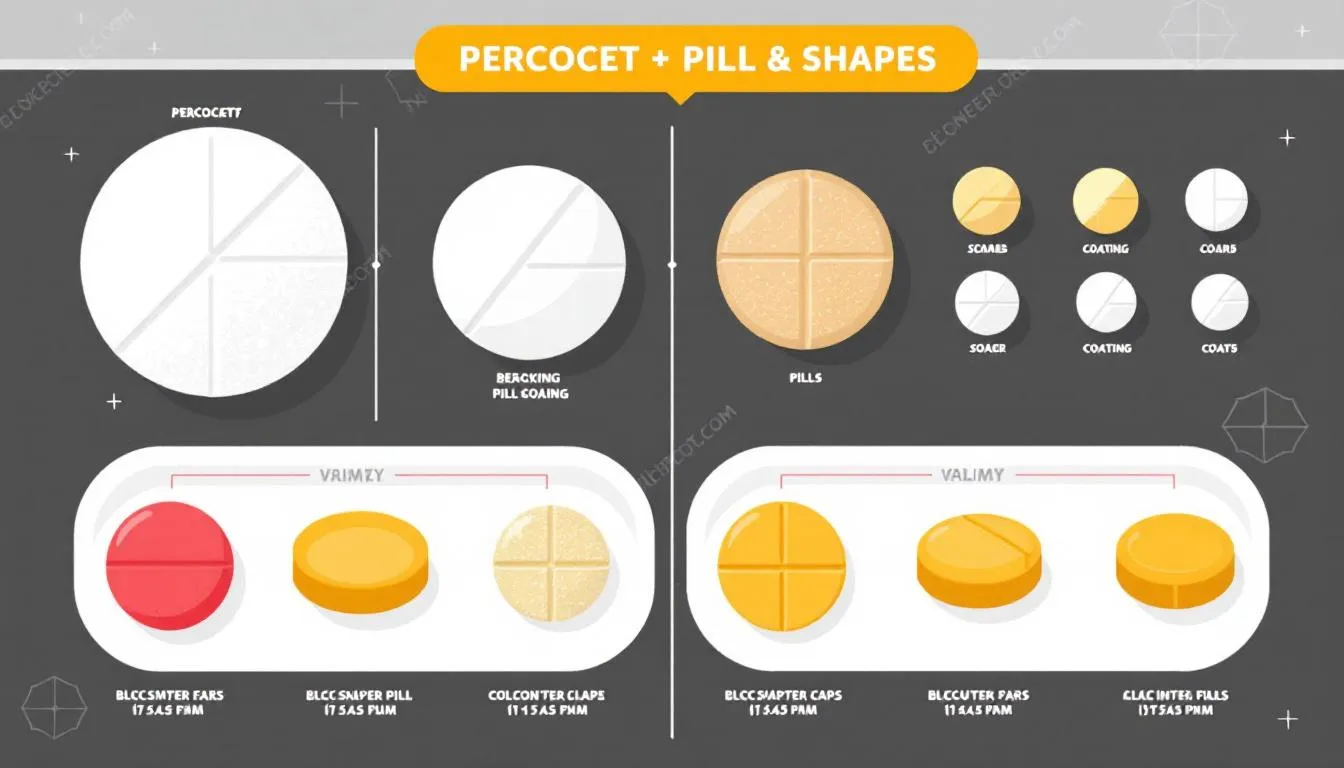
Percocet pills come in various colors and shapes, each serving as an identifier for different dosages and formulations:
- Blue round: Some brand-name Percocet pills are blue in color.
- Yellow: Typically, a yellow oval is percocet, elliptical or oval in shape.
- White: Generally lower doses, round in shape.
- Orange: Usually a 325 orange capsule oblong shape for certain dosages. Additionally, a capsule oblong is percocet for specific formulations. The pill color helps in identifying the different types.
Generic Percocet pills contain the same active ingredients as the brand-name version and often have similar colors and shapes. However, generic pills may have different imprints or markings depending on the manufacturer.
However, awareness of discrepancies that may indicate counterfeit pills is important. Fake pills may exhibit incorrect imprints or differences in color or shape compared to authentic medications. Legitimate medications typically have a consistent appearance, so any signs of wear or damage may also be a red flag.
Mindfulness of these details aids in the safe use of Percocet.
Imprint Codes and Their Significance
Imprint codes are vital for accurately identifying pills, including Percocet tablets. Each legitimate pill will have a unique imprinted code that serves as a fingerprint, helping to distinguish it from other medications. Without an imprint code, it is impossible to accurately identify a pill, which could lead to the consumption of a vitamin, herbal pill, or an illicit drug.
Fake imprints on counterfeit pills further complicate identification. Therefore, verifying the imprint code on any Percocet pill is crucial for ensuring authenticity. This small step can prevent potential health risks and ensure the medication’s safety and effectiveness.
Using a Pill Identifier Tool
Pill identifier tools are invaluable resources for verifying medications using the national drug code. These tools:
- Are accessible online
- Allow users to enter imprint codes, colors, shapes, and other features
- Help find matching medication images
- Assist individuals in confirming they are taking the correct medication, verified by tag
- Enhance safety and reduce the risk of adverse effects
One such tool is the Drugs.com mobile app, which provides a comprehensive database of medications, including Percocet pills. A pill identifier tool is essential for accurately verifying medications and avoiding potential errors or risks. Confirming that the pill identified as Percocet is indeed correct can significantly impact treatment outcomes, especially when considering the specific drug name.
NDC Code Verification
Every prescription medication, including Percocet, is assigned a National Drug Code (NDC) that serves as a unique identifier. The NDC code is typically imprinted on the pill or printed on the medication’s packaging. Verifying the NDC code is an important step in confirming that your Percocet is genuine and not counterfeit. If you are unsure about the NDC code or have questions about your medication, always consult your healthcare provider to ensure you are taking the correct drug. Checking the NDC code can provide peace of mind and help you avoid potential risks associated with counterfeit or mislabeled medications.
Percocet Dosage Variants

Percocet is available in various strengths, with dosages typically ranging from 2.5 mg/325 mg to 10 mg/650 mg, each combining oxycodone and acetaminophen. Understanding these dosage variants aids in effective pain management and helps avoid potential side effects.
Let’s explore popular dosages of Percocet and the effects of different dosages. This knowledge aids in making informed decisions about appropriate dosages for pain management and safe use.
Popular Dosages
Common dosages for Percocet tablets include strengths such as:
- 2.5 mg/325 mg: typically allows for two tablets every six hours as needed
- 5 mg/325 mg: the recommendation is one tablet every six hours
- 7.5 mg/325 mg (7.5 325 orange capsule)
- 10 mg/325 mg: consists of 10 mg of oxycodone and 325 mg of acetaminophen
These dosages are widely prescribed and have specific recommendations to ensure safe and effective pain relief. Familiarity with these common prescriptions and their recommendations helps in effective pain management and avoiding potential risks associated with improper use.
Effects of Different Dosages
Different dosages of Percocet can result in varying levels of pain relief and side effects. Higher dosages, such as 10 mg/325 mg, can provide more significant pain relief but may also increase the risk of side effects like drowsiness, constipation, and potential respiratory depression. Adhering to prescribed dosages and consulting healthcare providers for dosage adjustments is crucial.
Understanding the effects of different dosages enables better pain management while minimizing the risk of adverse effects. Always follow your healthcare provider’s recommendations to ensure safe and effective use of Percocet.
Risks of Counterfeit Percocet
Counterfeit Percocet pills are commonly found in illicit markets, posing significant risks to consumers. These counterfeit pills can contain dangerous substances like fentanyl, leading to severe health complications and fatalities. It is crucial to verify the authenticity of Percocet pills to avoid the dangers posed by counterfeits.
We will discuss recognizing fake pills and the health risks associated with counterfeit Percocet. This knowledge equips you to make safer choices and protect yourself from potentially life-threatening situations.
Recognizing Fake Pills
Counterfeit Percocet pills often resemble genuine products, making them difficult to identify. Here are important points to consider:
- All prescription drugs in the U.S. must have an imprint code for identification.
- Pills without an imprint code may not be legitimate medications.
- Checking for a proper imprint code is a crucial step in identifying genuine Percocet.
Being aware of these details helps in recognizing fake pills and avoiding associated risks. Always verify the imprint code and appearance of any Percocet pill before taking it.
Health Risks of Counterfeit Pills
Counterfeit Percocet pills often contain highly potent and dangerous substances like fentanyl, significantly increasing the risk of overdose. These counterfeit pills may also contain harmful substances such as cocaine and heroin, leading to severe health risks. The risks associated with counterfeit Percocet pills include overdoses and hospital visits due to misidentified pills.
Recognizing these risks emphasizes the importance of verifying the authenticity of Percocet pills. Protecting yourself from counterfeit medications can prevent potentially fatal outcomes and ensure safe pain management.
Safe Use of Percocet
Percocet is used primarily for managing moderate to severe pain. However, it must be used with caution due to the potential for addiction and withdrawal symptoms. Following prescription guidelines and consulting healthcare providers ensures the safe use of Percocet.
In the following sections, we will explore the importance of adhering to prescribed dosages and the benefits of consulting healthcare providers. This knowledge will help you use Percocet safely and effectively.
Following Prescription Guidelines
Misuse of Percocet medications can lead to addiction and withdrawal symptoms. For 7.5 mg Percocet, the common recommendation is to take one tablet every six hours as needed. Commonly, a dosage of percocet 5, 7.5 mg of oxycodone paired with 325 mg of acetaminophen is typically prescribed to manage moderate to severe pain. Additionally, some patients may be prescribed percocet 7.5 325 orange for their treatment.
Percocet should be taken with food to minimize gastrointestinal side effects. Adhering to these prescription guidelines ensures effective pain relief while minimizing the risk of adverse effects.
Consulting Healthcare Providers
Patients should discuss any concerns about Percocet use with their healthcare providers for tailored advice. Higher dosages of Percocet may provide increased pain relief but also elevate the risk of experiencing side effects. Consulting healthcare providers ensures the prescribed dosage is appropriate for your specific pain management needs.
Always consult your healthcare provider to ensure safe use of Percocet and to address any concerns or side effects you may experience. Professional guidance aids in managing your pain effectively and safely.
Percocet Storage and Handling
Proper storage and handling of Percocet pills are essential for maintaining their effectiveness and ensuring safety. Always keep Percocet in its original packaging, with the lid tightly closed, and store it in a cool, dry place away from direct sunlight and moisture. The ideal storage temperature is between 68°F and 77°F (20°C and 25°C). To prevent accidental ingestion, especially by children or pets, store Percocet out of reach and sight. Handle the pills carefully, and never use any that appear damaged or expired. Safe storage practices help protect both your health and the integrity of your medication.
Percocet Disposal and Recycling
When it’s time to dispose of unused or expired Percocet, proper disposal is crucial to prevent environmental harm and accidental ingestion. Do not flush Percocet pills down the toilet or drain. Instead, take them to a designated medication disposal facility or a pharmacy that offers a medication take-back program. Some pharmacies also participate in medication recycling programs, allowing you to return unused or expired medications for safe disposal. If you are unsure how to dispose of your Percocet, consult your healthcare provider or pharmacist for guidance. Responsible disposal helps keep your community and environment safe.
Understanding Percocet’s Components
Percocet combines oxycodone, an opioid analgesic, with acetaminophen to enhance pain-relieving effectiveness. This combination provides a balanced approach to pain management by utilizing both an opioid and an over-the-counter medication.
We will delve into the specific roles of oxycodone hydrochloride and acetaminophen in Percocet. Understanding these components helps in appreciating how Percocet provides pain relief.
Oxycodone Hydrochloride
Oxycodone hydrochloride is a crucial component of the prescription medication Percocet. Oxycodone is classified as an opioid, derived from opium, and is used to treat moderate to severe pain. It works by binding to opioid receptors in the brain, altering the perception of pain.
The primary purpose of oxycodone hydrochloride is to provide effective pain relief for patients suffering from moderate to severe pain. Understanding the role of oxycodone helps in appreciating Percocet’s effectiveness in managing pain.
Acetaminophen
Acetaminophen is a common medication used as a fever reducer and pain reliever. In Percocet, acetaminophen enhances the pain-relieving effects of oxycodone, providing a balanced approach to pain management. This combination of acetaminophen oxycodone makes Percocet effective in treating moderate to severe pain.
Understanding acetaminophen’s role in Percocet helps in appreciating how this medication provides comprehensive pain relief.
Alternatives to Percocet
Many individuals seeking alternatives to Percocet may find non-opioid medications like ibuprofen or naproxen effective for pain relief. Exploring alternative pain management options is crucial for effective treatment, especially for those who cannot take Percocet.
We will explore non-opioid pain relievers and natural pain relief methods. These alternatives can provide effective pain management without the risks associated with opioids.
Non-Opioid Pain Relievers
Common non-opioid medications like ibuprofen, acetaminophen, and aspirin can effectively manage pain for many individuals. These medications provide important alternatives for managing pain without the risks associated with opioids. They are often preferred for individuals seeking pain relief without the potential for opioid dependency.
Selecting non-opioid options contributes to safer pain management and reduces the risk of opioid-related side effects. Exploring these alternatives aids in finding effective pain relief without the need for opioids.
Natural Pain Relief Methods
Natural pain relief methods provide additional options for managing pain without relying on medications. For example, acupuncture involves inserting thin needles into the skin to disrupt pain signals and may provide pain relief. Techniques like acupuncture stimulate specific body points, helping to alleviate various types of pain.
Other methods such as massage and relaxation techniques can assist in reducing pain and improving overall well-being. Relaxation techniques, such as massages and biofeedback, can reduce pain and improve overall well-being.
Exploring these natural methods can provide effective pain relief and enhance your quality of life, as a doctor might suggest.
Online Resources and Support
Navigating prescription medications like Percocet can be easier with the right online resources and support. The Drugs.com mobile app offers a comprehensive pill identifier, along with reviews and ratings from other users, making it a valuable tool for verifying your medication. You can also consult your healthcare provider or pharmacist for personalized advice on taking Percocet and managing any side effects. For those seeking additional support, online forums and support groups connect patients who are using Percocet or dealing with addiction. The DEA provides reliable information on prescription medications, including Percocet, to help patients and healthcare providers make informed decisions. Always consult your healthcare provider before making changes to your medication regimen based on online information, ensuring your treatment remains safe and effective.
Summary
In conclusion, identifying Percocet pills accurately is crucial for safe and effective pain management. Understanding the various colors, shapes, and imprint codes can help you distinguish genuine Percocet from counterfeits. Recognizing the risks of counterfeit pills and following prescription guidelines are essential steps to ensure safe use. Additionally, understanding the components of Percocet, such as oxycodone hydrochloride and acetaminophen, provides insight into its pain-relieving effects. Exploring alternatives to Percocet, including non-opioid pain relievers and natural pain relief methods, offers additional options for managing pain safely. Stay informed and make safe choices for effective pain management.
Frequently Asked Questions
How can I identify a Percocet pill?
You can identify a Percocet pill by its specific color, shape, and imprint codes; using a pill identifier tool can further assist in confirming the medication.
What are the common dosages of Percocet?
Common dosages of Percocet are 2.5 mg/325 mg, 5 mg/325 mg, 7.5 mg/325 mg, and 10 mg/325 mg, each tailored to varying levels of pain relief. It is essential to follow your healthcare provider’s guidance when using this medication.
How can I recognize counterfeit Percocet pills?
To recognize counterfeit Percocet pills, examine them closely for inconsistencies in color, shape, or imprint codes, as legitimate medications always bear an imprint. Pills lacking an imprint code are likely not authentic.
What are the risks of taking counterfeit Percocet pills?
Taking counterfeit Percocet pills presents significant health risks, including exposure to dangerous substances such as fentanyl, which can result in overdose and death. It is crucial to avoid these counterfeit medications to safeguard your health.
What are some alternatives to Percocet for pain relief?
Alternatives to Percocet for pain relief include non-opioid medications such as ibuprofen, acetaminophen, or aspirin, alongside natural methods like acupuncture and massage. These options can effectively manage pain without the use of opioids.