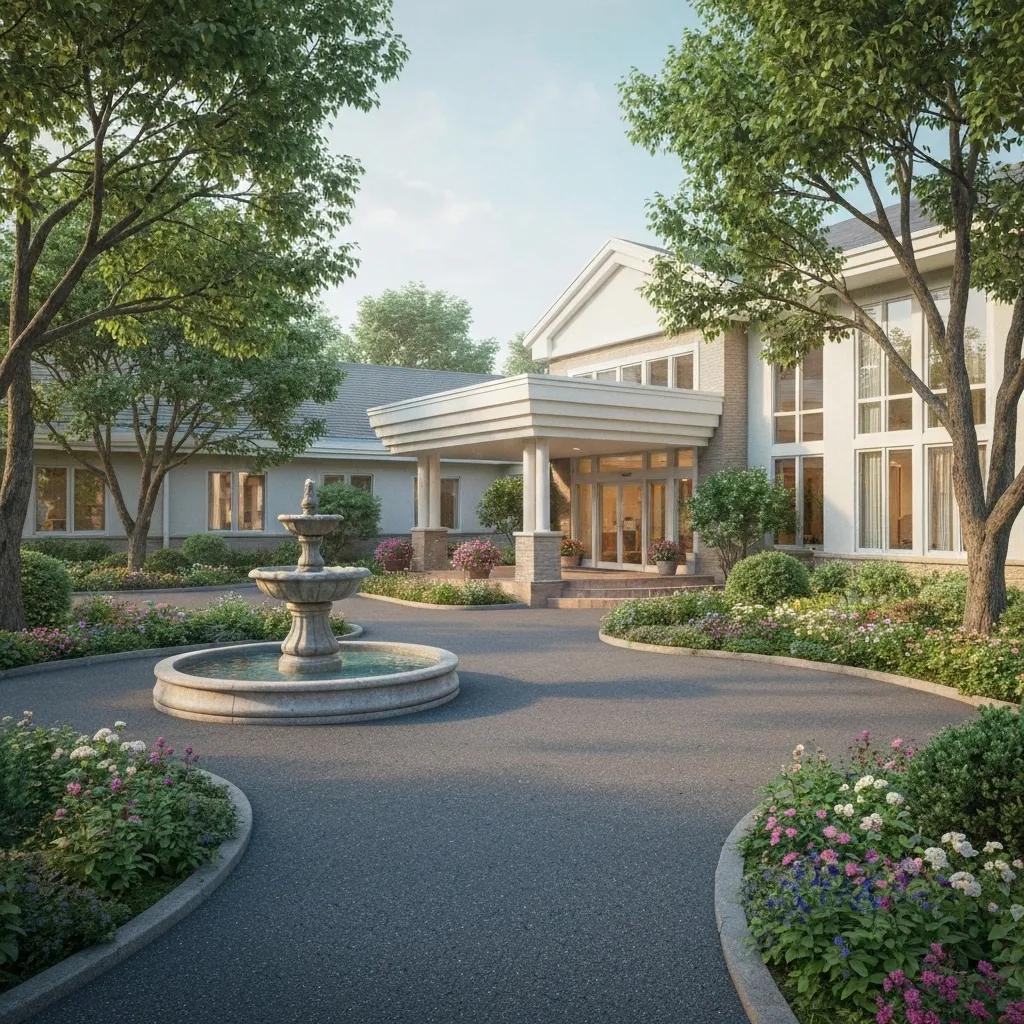
Comprehensive Guide to Rehabilitation Centers and Addiction Treatment Options
Rehabilitation centers empower individuals struggling with substance use disorders to reclaim health and stability through structured care, evidence-based therapies, and supportive environments. In 2020, approximately 35.1 million American adults had a substance use disorder (SUD), but only about 2.6 million (7%) participated in any treatment program. (pmc.ncbi.nlm.nih.gov) Understanding how drug rehabilitation centers operate is crucial for timely intervention. This guide maps the essential terrain: types of rehab facilities, addiction treatment approaches, therapy modalities, long-term aftercare, selection criteria, treatment outcomes, and strategies to find local services or free drug rehabilitation centers near you. By exploring each theme, you’ll gain clarity on options and confidence to begin the recovery journey.
What Are the Different Types of Rehabilitation Centers?
Rehabilitation centers offer a spectrum of care settings—residential, outpatient, medically supervised detox, luxury retreats, and free or low-cost programs—each designed to meet varying levels of addiction severity and financial need. By structuring treatment environments and delivery methods, these facilities enhance safety, ensure continuity of care, and optimize patient engagement.
What Defines Inpatient Rehabilitation Programs?

- Safe, substance-free environment monitored by clinical staff
- Intensive individual and group counseling sessions
- Integrated medical detox and medication-assisted treatment (MAT)
- Peer support and skill-building activities
Inpatient settings remove external triggers and build a foundation for sustained recovery, leading naturally into flexible outpatient options.
How Do Outpatient Rehabilitation Services Work?
Outpatient rehabilitation services enable participants to attend scheduled therapy while maintaining home, work, or school routines. Common formats include:
- Intensive Outpatient Programs (IOP) with 9–12 hours weekly of counseling
- Partial Hospitalization Programs (PHP) offering daytime clinical care
- Standard outpatient sessions held 1–3 times per week
Outpatient care supports real-world application of coping strategies and prepares patients for independent maintenance of sobriety.
What Is Medical Detoxification and When Is It Needed?
Medical detoxification uses pharmacotherapy and clinical monitoring to manage withdrawal symptoms safely and effectively. Signs medical detox is warranted include:
- High risk of severe withdrawal (e.g., alcohol, benzodiazepines)
- Polysubstance dependence requiring complex management
- Co-occurring medical conditions or unstable vitals
- History of delirium tremens or seizures
Detoxification stabilizes the patient, setting the stage for therapeutic interventions in residential or outpatient programs.
What Are Luxury and Free Rehabilitation Center Options?
Cost-based rehab categories range from upscale facilities offering spa-style amenities to grant-funded programs providing care at no direct cost.
| Program Type | Key Attribute | Typical Offering |
|---|---|---|
| Luxury Rehabilitation | High-end accommodations | Private suites, gourmet meals, holistic spa therapies, exclusive counseling |
| Free Rehabilitation | Government or charity fund | Medically supervised detox, group therapy, vocational support, peer mentorship |
Luxury centers enhance comfort and privacy, while free drug rehabilitation centers near you expand access to essential treatment regardless of ability to pay.
How Long Do Rehabilitation Programs Typically Last?
Rehabilitation program durations align with treatment intensity and individual needs:
- Short-Term (30 days) – Focused detox and stabilization phases
- Medium-Term (60 days) – Comprehensive therapy plus skill reinforcement
- Long-Term (90 days+) – Extended support, deep behavioral change, relapse prevention
A structured timeline ensures progressive recovery milestones before transitioning to aftercare and alumni support.
How Do Addiction Treatment Centers Address Substance Abuse?
Addiction treatment centers combat substance abuse through integrated care models that blend medical, psychological, and psychosocial interventions to improve patient health and reduce relapse.
What Are the Most Common Substance Abuse Treatment Options?
Rehabilitation facilities employ a range of therapies and programs, including:
- Detoxification for safe withdrawal management
- Cognitive Behavioral Therapy (CBT) to reframe harmful thought patterns
- Medication-Assisted Treatment (MAT) combining medications with counseling
- Group Therapy for peer support and shared recovery experiences
A multifaceted approach addresses both physiological dependence and behavioral drivers of addiction.
Substance Use Disorder Treatment: A Review of Approaches
This review examines various treatment modalities for substance use disorders, including detoxification, cognitive behavioral therapy (CBT), medication-assisted treatment (MAT), and group therapy. It highlights the importance of integrated care models that address both the physiological and psychological aspects of addiction.
How Is Medication-Assisted Treatment (MAT) Used in Rehab?
Medication-Assisted Treatment integrates FDA-approved medications with counseling to normalize brain chemistry and diminish cravings. MAT protocols may include:
- Methadone or buprenorphine for opioid use disorder
- Naltrexone to block opioid and alcohol effects
- Acamprosate to support alcohol abstinence
This evidence-based strategy enhances retention in treatment and promotes long-term abstinence.
What Is Dual Diagnosis Treatment for Co-occurring Disorders?
Dual diagnosis treatment addresses addiction and mental health disorders simultaneously through coordinated care plans. Key components involve:
- Comprehensive assessment of psychiatric and substance-related needs
- Integrated therapy sessions for depression, anxiety, PTSD, and addiction
- Medication management for psychiatric stability
- Collaborative care teams ensuring both conditions are treated holistically
Treating co-occurring disorders together reduces relapse risk and improves overall wellness.
How Do Holistic Therapies Support Addiction Recovery?

Holistic therapies complement clinical treatments by nurturing mind-body resilience and coping skills. Common modalities include:
- Yoga to reduce stress and enhance mindfulness
- Art Therapy for emotional expression and trauma processing
- Meditation to strengthen self-regulation and focus
- Equine Therapy for building trust and responsibility
These integrative practices promote balanced recovery and reinforce traditional interventions.
What Therapy Modalities Are Offered at Rehabilitation Centers?
Rehabilitation centers provide diverse modalities—cognitive, behavioral, experiential, and family-based—to address the complex drivers of addiction and strengthen recovery skills.
| Therapy | Core Focus | Primary Benefit |
|---|---|---|
| Cognitive Behavioral | Thought-behavior patterns | Reduces relapse by reshaping negative thinking |
| Dialectical Behavior | Emotional regulation and distress | Enhances coping skills and interpersonal effectiveness |
| Group and Family Therapy | Social support and communication | Strengthens relationships and accountability |
| Experiential Therapies | Experiential learning activities | Builds self-esteem and real-world problem-solving |
A coordinated blend of these therapies ensures comprehensive addiction treatment and personal growth.
How Do Rehabilitation Centers Support Long-Term Recovery and Aftercare?
Rehabilitation centers extend support beyond primary treatment through relapse prevention strategies, alumni networks, and family resources to sustain lifelong sobriety.
What Is Included in Aftercare and Relapse Prevention Programs?
Aftercare programs include scheduled outpatient counseling, 12-step meetings, life skills workshops, and ongoing case management. These elements work together to reinforce healthy habits and identify warning signs early.
The Role of Aftercare in Sustaining Recovery
Research indicates that aftercare programs, including ongoing counseling, support groups, and relapse prevention strategies, significantly improve long-term recovery outcomes. These programs help individuals maintain sobriety and prevent relapse by providing continued support and resources.
How Do Alumni Programs Help Maintain Sobriety?
Alumni programs foster community through reunions, support groups, mentorship pairings, and social events, reinforcing accountability and shared success stories that sustain motivation.
What Resources Are Available for Families and Loved Ones?
Family-focused resources provide education sessions, counseling, support hotlines, and peer networks that strengthen healing relationships and improve the home environment for recovery.
How Can Patients Choose the Right Rehabilitation Center?
Selecting the right rehabilitation center hinges on evaluating treatment offerings, accreditation, cost considerations, and personal needs to ensure optimal care and outcomes.
What Factors Should Be Considered When Selecting a Rehab Center?
Patients and families should assess:
- Accreditation and licensing status
- Full continuum of care (detox, residential, outpatient, aftercare)
- Staff qualifications and credentials
- Evidence-based therapy modalities available
- Facility setting, amenities, and patient-to-staff ratio
How Does Insurance Coverage Work for Rehab Services?
Insurance acceptance varies by provider; centers often guide patients through verification of benefits, pre-authorization processes, co-payment obligations, and alternative funding options to minimize out-of-pocket costs.
What Is the Admissions Process Like at Rehabilitation Centers?
Typical steps include:
- Referral or self-referral
- Clinical assessment
- Insurance verification
- Intake documentation
- Orientation
A structured admissions flow ensures patients enter the appropriate level of care.
How Do Location and Specialized Programs Affect Choice?
Proximity to home, access to veteran-specific, adolescent, or gender-specific programs, and regional licensing requirements influence convenience, cultural fit, and regulatory compliance in program delivery.
What Are the Benefits and Outcomes of Rehabilitation Center Treatment?
Rehabilitation center treatment improves life quality, reduces healthcare costs, and yields measurable recovery outcomes that validate program effectiveness and inform continuous improvement.
How Does Rehabilitation Improve Quality of Life?
Structured treatment promotes physical health restoration, emotional stability, improved relationships, occupational reintegration, and enhanced self-efficacy for lasting well-being.
What Are Typical Success Rates and Recovery Statistics?
Recovery statistics vary by program type and patient profile; many centers report 40–60 percent six-month sobriety rates, with outcomes influenced by length of stay, therapy adherence, and aftercare engagement.
How Do Rehabilitation Centers Measure Treatment Effectiveness?
Centers track metrics such as retention rates, relapse occurrences, patient satisfaction scores, post-discharge follow-up data, and quality-of-life assessments to refine care models and improve outcomes.
Where Can You Find Local Rehabilitation Centers and Services Near You?
Identifying local services involves strategic search techniques, community resource mapping, and understanding differences between independent centers and national networks.
How to Search for Rehab Centers by City or Region?
Use online directories, professional association locators, and local health department resources to filter by city, state, program type, and payment options, ensuring tailored search results.
What Local Resources and Community Support Are Available?
Community-based resources include peer support groups, faith-based recovery programs, county health clinics, and nonprofit outreach services that augment formal treatment with grassroots networks.
How Do Local Rehab Centers Differ from National Networks?
Local centers often offer personalized, community-rooted care with smaller patient populations, whereas national networks provide standardized protocols, broader specialty services, and multi-site continuity.
Rehabilitation centers combine medical expertise, therapeutic innovation, and compassionate support to navigate the path from active addiction to sustained sobriety. By comparing program types, exploring evidence-based therapies, and prioritizing aftercare resources, individuals and families can select tailored treatment that promotes lifelong recovery. Whether seeking inpatient supervision, outpatient flexibility, or free drug rehabilitation centers near you, informed decisions and timely action unlock the opportunity for renewed health and purpose. Take the first step today toward a structured, supportive recovery journey.