Taking the first step into recovery represents one of the most courageous decisions anyone facing addiction can make. The journey from active addiction to sustained sobriety involves navigating multiple stages, understanding treatment options, and building a foundation for long-term wellness. Whether you're considering treatment for yourself or supporting a loved one, understanding what to expect during this transition can reduce anxiety and increase the likelihood of successful outcomes. The path into recovery is highly personal, yet certain principles and approaches have proven effective across diverse populations and substance use disorders.
Understanding the Transition Into Recovery
Moving into recovery requires both physical and psychological preparation. This transition period begins when an individual acknowledges their substance use disorder and commits to making meaningful changes. Recognition of the problem is typically the first milestone, though it's important to understand that readiness for change exists on a spectrum.
The decision to enter recovery often follows a crisis point, intervention by loved ones, or gradual awareness that substance use has become unmanageable. According to research on addiction treatment methods, early intervention significantly improves long-term outcomes, though recovery can succeed regardless of when someone seeks help.
Physical and Mental Preparation
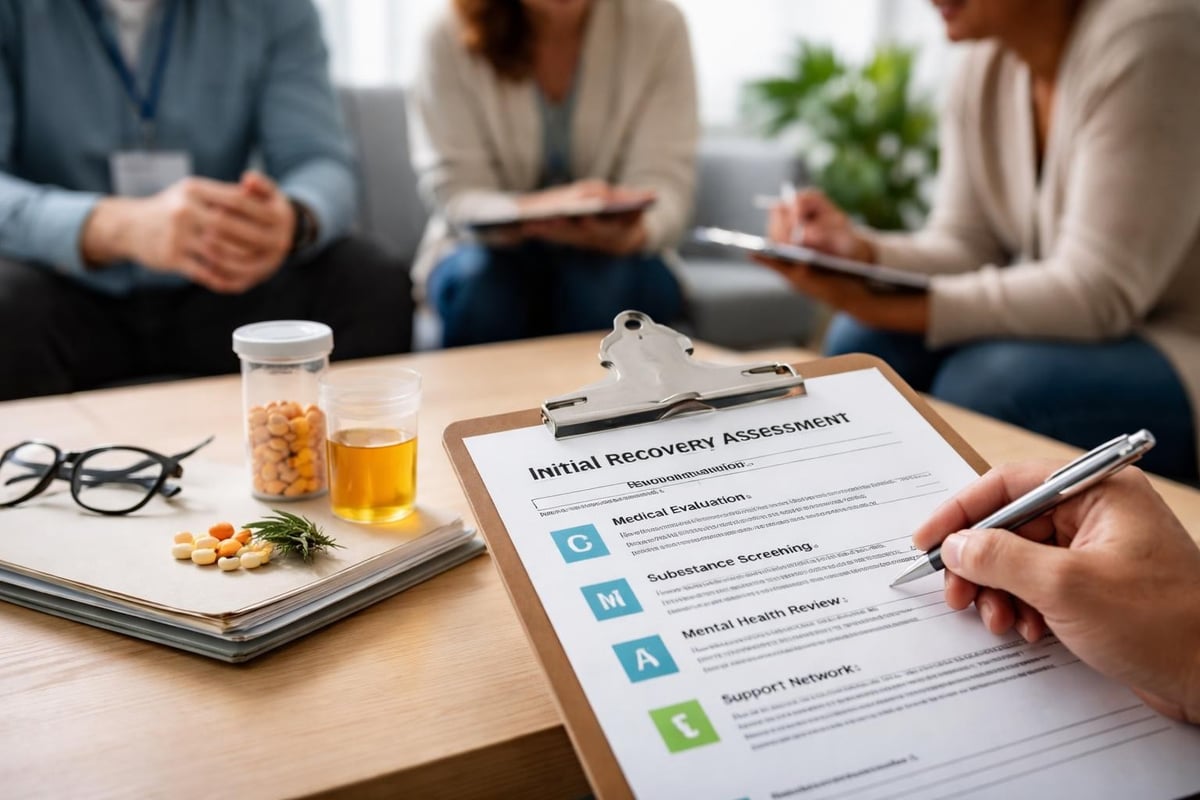
Before beginning formal treatment, individuals should understand what the initial phase entails:
- Medical evaluation to assess overall health and identify co-occurring conditions
- Substance abuse screening to determine the severity of addiction
- Mental health assessment for conditions like depression, anxiety, or trauma
- Social support inventory to identify available resources and relationships
These preparatory steps help treatment professionals create personalized recovery plans. Many people benefit from substance abuse assessment tools that provide structured evaluation of addiction severity and treatment needs.
Medical Detoxification: The Gateway Into Recovery
For most individuals, the first formal step into recovery involves medically supervised detoxification. Detox addresses the physical dependence that develops with prolonged substance use, managing withdrawal symptoms in a safe, controlled environment.
Withdrawal timelines vary significantly based on the substance involved, duration of use, and individual physiology. Alcohol and benzodiazepine withdrawal can be life-threatening without proper medical supervision, while opioid withdrawal, though intensely uncomfortable, is rarely medically dangerous.
What to Expect During Detox
| Substance Type | Typical Duration | Common Symptoms | Medical Support |
|---|---|---|---|
| Alcohol | 5-7 days | Tremors, anxiety, seizures | Benzodiazepines, monitoring |
| Opioids | 7-10 days | Pain, nausea, insomnia | Medication-assisted treatment |
| Stimulants | 1-2 weeks | Fatigue, depression, cravings | Supportive care, monitoring |
| Benzodiazepines | 2-8 weeks | Anxiety, seizures, insomnia | Gradual taper protocols |
Finding quality detox centers equipped to handle specific substances is critical for safety and comfort. Medical professionals can administer medications that ease withdrawal symptoms, reducing the risk of complications and making the transition into recovery more manageable.
The detox phase, while challenging, represents a temporary hurdle on the path to lasting recovery. Most individuals report significant improvement in physical symptoms within the first two weeks, though psychological symptoms may persist longer.
Choosing the Right Treatment Environment
After completing detoxification, individuals face an important decision about which treatment setting best supports their recovery goals. The choice between inpatient and outpatient care depends on several factors, including addiction severity, home environment stability, work obligations, and financial resources.
Inpatient vs. Outpatient Considerations
Inpatient rehabilitation programs provide 24-hour care in a residential setting, removing individuals from triggering environments and providing intensive therapy. These programs typically last 28 to 90 days, though some individuals benefit from extended care lasting six months or longer.
Outpatient programs allow individuals to live at home while attending scheduled therapy sessions and group meetings. This approach works well for those with strong support systems, stable living situations, and less severe addictions.
Understanding the differences between inpatient and outpatient treatment helps individuals make informed choices about their care. Resources from American Addiction Centers provide additional guidance on evaluating treatment options based on individual circumstances.
Research consistently shows that longer treatment duration correlates with better outcomes. The initial 90 days represent a critical window when brain chemistry begins rebalancing and new coping mechanisms develop.
Evidence-Based Therapies in Early Recovery
Quality treatment programs incorporate evidence-based therapeutic approaches proven effective through rigorous research. These therapies address the psychological, emotional, and behavioral aspects of addiction that persist after physical detoxification.
Core Therapeutic Modalities
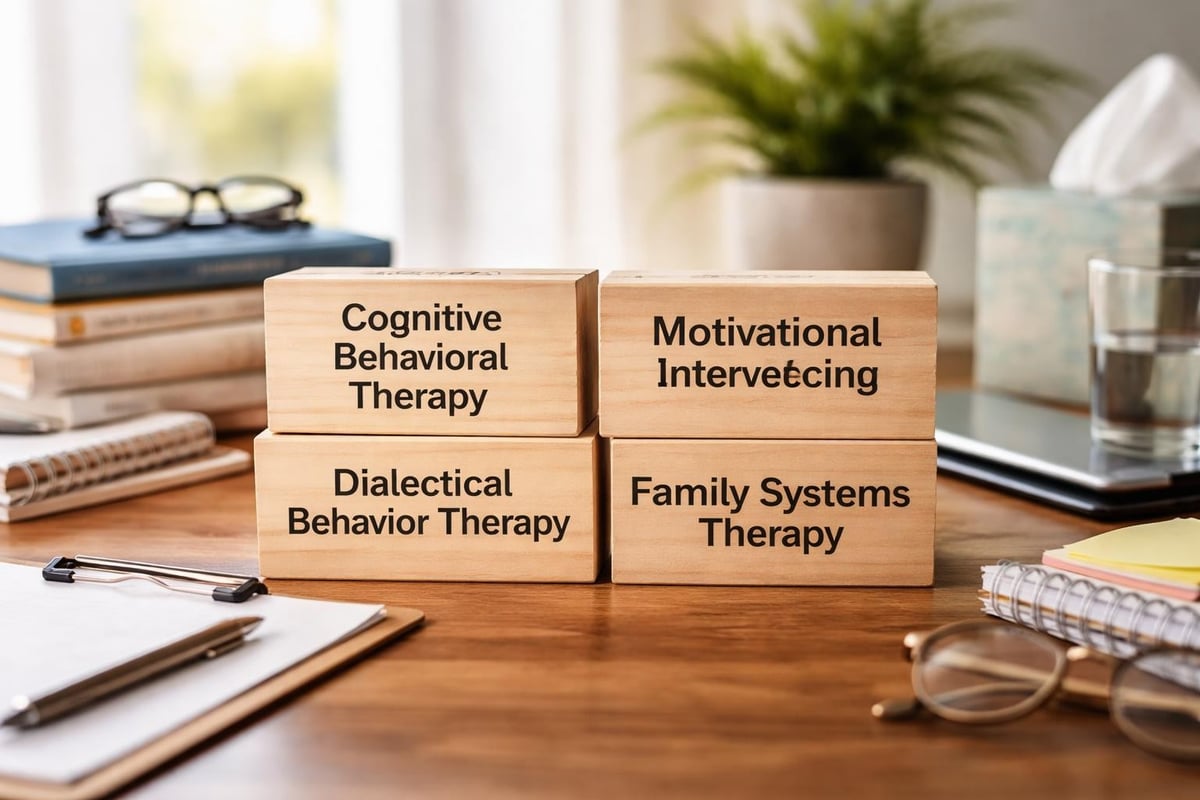
Cognitive Behavioral Therapy (CBT) helps individuals identify thought patterns that trigger substance use and develop healthier responses to cravings and stress. This structured approach provides practical skills for managing high-risk situations.
Motivational Interviewing resolves ambivalence about change by exploring personal values and goals. This collaborative approach enhances internal motivation rather than relying on external pressure.
Dialectical Behavior Therapy (DBT) teaches emotional regulation skills particularly beneficial for individuals with co-occurring mental health disorders. The four skill modules include mindfulness, distress tolerance, emotion regulation, and interpersonal effectiveness.
Additional therapeutic approaches include:
- Contingency management using positive reinforcement
- Family therapy addressing relationship dynamics
- Trauma-focused therapy for underlying psychological wounds
- Group therapy building peer support and accountability
- Experiential therapies like art, music, or adventure therapy
The comprehensive resources available through addiction education platforms help individuals understand how these therapies work and what to expect during sessions.
Building a Support Network
No one successfully navigates into recovery alone. Strong social support significantly predicts long-term sobriety, making network development a critical early recovery task. This network should include professional treatment providers, peer support groups, and healthy personal relationships.
Twelve-step programs like Alcoholics Anonymous and Narcotics Anonymous provide free, widely available peer support based on spiritual principles. While not suitable for everyone, millions credit these programs with saving their lives. Learning about 12-step spiritual principles can help individuals determine if this approach aligns with their values.
Alternative Support Options
Not everyone connects with traditional twelve-step approaches. Alternative support options include:
- SMART Recovery using cognitive-behavioral techniques
- Refuge Recovery incorporating Buddhist principles
- Celebrate Recovery offering Christian-based support
- LifeRing Secular Recovery providing non-spiritual fellowship
- Women for Sobriety focusing on female empowerment
Online communities and virtual meetings have expanded dramatically since the COVID-19 pandemic, making recovery support accessible regardless of location. The Pavillon resource directory offers connections to various support organizations suited to different needs and preferences.
Family involvement often strengthens recovery outcomes. Supporting someone in recovery requires understanding boundaries, avoiding enabling behaviors, and addressing codependency patterns that may have developed during active addiction.
Medication-Assisted Treatment Options
For opioid and alcohol use disorders, medication-assisted treatment (MAT) combines behavioral therapy with FDA-approved medications. This approach addresses both the physical and psychological aspects of addiction, significantly improving retention in treatment and reducing overdose risk.
Common MAT Medications
| Medication | Used For | Mechanism | Duration |
|---|---|---|---|
| Methadone | Opioid addiction | Full opioid agonist | Daily dosing |
| Buprenorphine | Opioid addiction | Partial opioid agonist | Daily/monthly |
| Naltrexone | Opioid/alcohol addiction | Opioid antagonist | Daily/monthly |
| Acamprosate | Alcohol addiction | Reduces cravings | Three times daily |
| Disulfiram | Alcohol addiction | Aversion therapy | Daily |
Buprenorphine products like Suboxone have become increasingly popular for opioid addiction treatment due to their safety profile and flexibility. These medications reduce cravings and withdrawal symptoms while blocking the euphoric effects of other opioids.
Medication alone is insufficient for lasting recovery. MAT works best when combined with counseling, behavioral therapies, and peer support. The stigma surrounding MAT is decreasing as research demonstrates its effectiveness, though some recovery communities still resist its use.
Developing Relapse Prevention Strategies
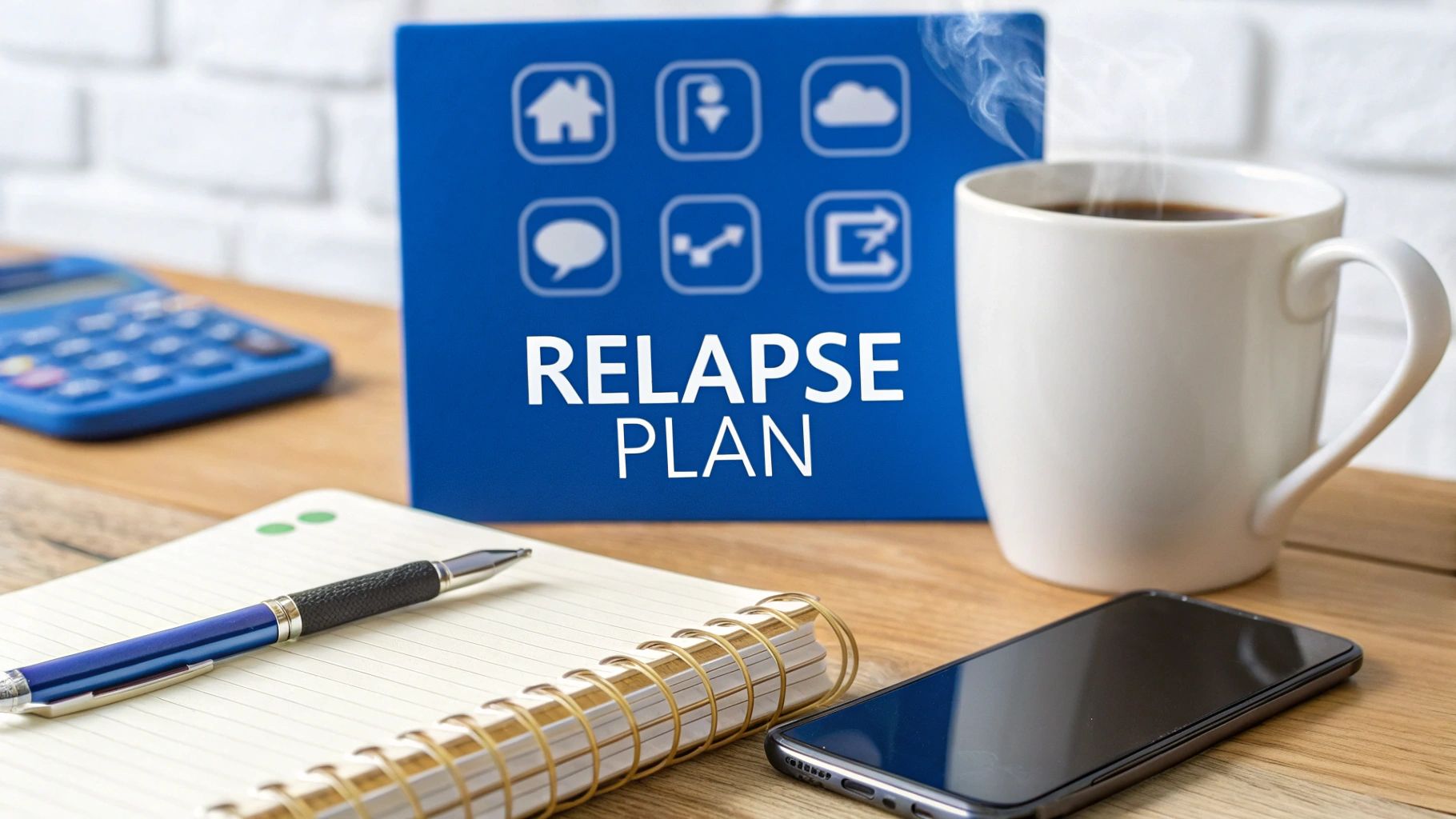
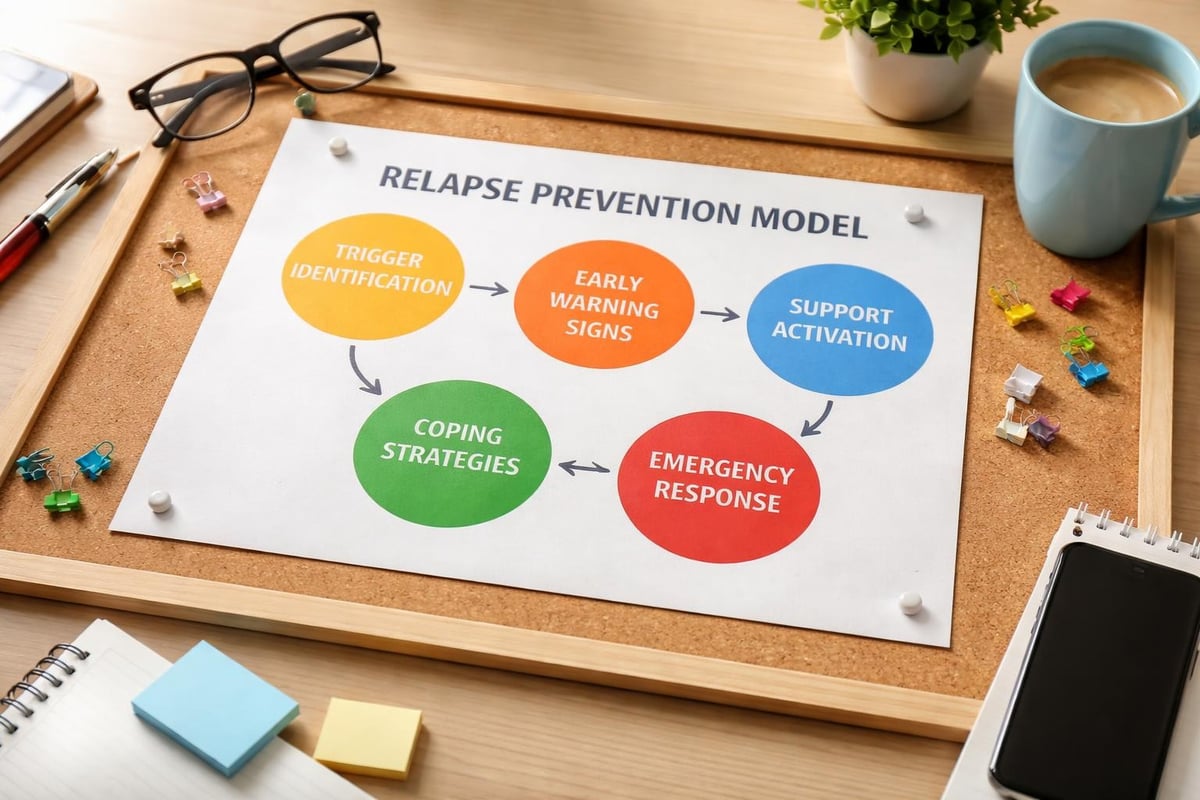
Understanding that relapse can be part of the recovery process helps individuals respond constructively rather than viewing a slip as complete failure. Comprehensive relapse prevention planning identifies personal triggers, warning signs, and specific action steps to maintain sobriety.
Key Components of Prevention
Trigger identification involves recognizing people, places, situations, and emotions that increase substance use risk. Common triggers include:
- Social situations where substances are present
- Relationship conflicts or loneliness
- Financial stress or work pressure
- Physical pain or illness
- Celebrations and holidays
Creating a written relapse prevention plan provides a concrete reference during vulnerable moments. This plan should include emergency contacts, coping strategies, and specific steps to take when cravings intensify.
Mindfulness practices help individuals observe cravings without acting on them, recognizing that urges naturally rise and fall. This approach reduces the power cravings hold and builds confidence in one's ability to tolerate discomfort.
Addressing Co-Occurring Mental Health Disorders
Approximately 50 percent of individuals with substance use disorders also experience mental health conditions like depression, anxiety, bipolar disorder, or post-traumatic stress disorder. This dual diagnosis complicates treatment and requires integrated care addressing both conditions simultaneously.
Sequential treatment-addressing one condition before the other-rarely succeeds because untreated mental health symptoms often trigger relapse. Modern approaches recognize that addiction and mental illness interact in complex ways, requiring coordinated intervention.
Medications may be necessary for managing psychiatric symptoms during early recovery. Antidepressants, mood stabilizers, and anti-anxiety medications can be prescribed safely under proper medical supervision, though careful monitoring prevents medication misuse.
Trauma-Informed Care
Many individuals entering recovery have experienced significant trauma, including childhood abuse, domestic violence, or traumatic loss. Unaddressed trauma frequently drives substance use as a coping mechanism.
Trauma-informed treatment recognizes how past experiences shape current behaviors and emphasizes safety, trustworthiness, and empowerment. Specialized therapies like Eye Movement Desensitization and Reprocessing (EMDR) and Trauma-Focused CBT help process traumatic memories without retraumatization.
The Addiction Research Foundation provides valuable information on the connections between trauma, depression, and substance use, helping individuals understand their experiences through an informed lens.
Lifestyle Changes Supporting Long-Term Recovery
Transitioning into recovery requires rebuilding life structures that support sobriety rather than undermining it. These changes extend beyond abstinence to encompass physical health, relationships, career, and personal growth.
Physical wellness forms a crucial foundation for recovery. Regular exercise reduces stress, improves mood, and provides healthy dopamine stimulation. Nutrition often suffers during active addiction, making dietary improvements important for healing.
Sleep hygiene deserves particular attention. Many people in early recovery experience insomnia or disturbed sleep patterns. Establishing consistent sleep schedules, creating restful environments, and avoiding caffeine in evening hours gradually restores healthy sleep.
Rebuilding Purpose and Meaning
- Education and skill development to enhance career prospects
- Volunteer work providing purpose and community connection
- Creative pursuits offering healthy expression and accomplishment
- Spiritual or philosophical exploration addressing existential questions
- Physical challenges like marathon training or outdoor adventures
These activities fill time previously devoted to substance use while building self-efficacy and confidence. Many individuals discover talents and interests suppressed during active addiction, experiencing genuine excitement about possibilities they never previously considered.
Financial recovery often requires patience. Addiction frequently creates debt, damaged credit, and employment instability. Working with financial counselors, creating realistic budgets, and celebrating small progress helps rebuild economic stability.
Navigating Relationships in Early Recovery
Relationships undergo significant stress during active addiction and require careful attention during recovery. Some relationships will need repair, others may need boundaries, and toxic connections might require ending entirely.
Family dynamics often involve enabling behaviors, codependency, and broken trust. Family therapy helps all members understand addiction as a disease, establish healthy boundaries, and develop communication skills. Understanding how to help someone with addiction benefits both the person in recovery and their support network.
Romantic relationships pose particular challenges in early recovery. Most treatment professionals recommend avoiding new romantic relationships during the first year, allowing time to develop a stable recovery foundation. Existing relationships require honest communication about needs, boundaries, and recovery priorities.
Setting Healthy Boundaries
People in early recovery must learn to prioritize sobriety over social obligations, even when this disappoints others. This might mean:
- Declining invitations to events where substances will be present
- Limiting contact with friends who continue active substance use
- Communicating needs clearly without apologizing
- Recognizing that others' reactions are not your responsibility
- Seeking support when boundary-setting feels difficult
Social skills may need relearning after years of substance-influenced interactions. Group therapy and peer support provide safe environments to practice authentic communication and connection.
Understanding What Happens After Initial Treatment
Completing inpatient treatment or intensive outpatient programs represents a significant milestone, not a finish line. Transitioning from structured treatment to independent living requires careful planning and ongoing support.
Aftercare planning begins during primary treatment, identifying resources and support systems for the post-treatment period. This might include:
- Continuing outpatient therapy on a reduced schedule
- Regular attendance at peer support meetings
- Sober living arrangements providing structured environment
- Alumni programs offered by treatment facilities
- Ongoing medication management for MAT or psychiatric needs
The first year following primary treatment represents the highest relapse risk period. Maintaining connection with recovery supports and quickly addressing warning signs significantly improves outcomes.
Many individuals benefit from finding quality inpatient facilities that offer robust alumni programs and long-term support services rather than viewing treatment as a one-time intervention.
The Role of Technology in Modern Recovery
Digital tools have expanded recovery support access and effectiveness. Smartphone applications provide meditation guidance, craving management, meeting locators, and daily inspiration. Some apps allow users to connect with recovery coaches via text or video chat.
Telehealth services increased dramatically during 2020 and continue offering convenient access to therapy, psychiatry, and peer support. This technology particularly benefits individuals in rural areas with limited local resources or those with mobility challenges.
Online recovery communities provide 24/7 connection and support. These forums allow individuals to share experiences, ask questions, and receive encouragement from people who understand their struggles. The Addictions and Recovery Organization offers evidence-based online resources complementing professional treatment.
Concerns about technology-enabled recovery include privacy considerations, quality variation, and the importance of in-person connection for some individuals. Most experts recommend using digital tools to supplement rather than replace traditional recovery supports.
Special Considerations for Different Populations
Recovery needs vary across different demographic groups, requiring culturally competent, individualized approaches.
Gender-specific treatment addresses unique challenges faced by men and women. Women often benefit from trauma-informed care addressing sexual assault, domestic violence, and childcare concerns. Men may need support developing emotional awareness and vulnerability.
Adolescent treatment recognizes that teenage brains are still developing, requiring different therapeutic approaches than adult treatment. Family involvement is typically more intensive, and programs often incorporate educational components.
LGBTQ+ individuals may face discrimination, minority stress, and unique identity-related challenges requiring affirming, specialized care. Finding providers trained in LGBTQ+ competency improves engagement and outcomes.
Older adults entering recovery often have longer substance use histories, more medical complications, and age-related cognitive changes requiring accommodation. However, treatment outcomes for older adults are often excellent when appropriate modifications are made.
Moving into recovery transforms every aspect of life, from physical health to relationships, career prospects, and overall wellbeing. While the journey presents challenges, comprehensive treatment combining medical care, evidence-based therapy, peer support, and lifestyle changes provides a clear path forward. The resources and personalized guidance available through StartDrugRehab.com connect individuals with appropriate treatment options, expert advice, and supportive communities designed to help you or your loved one build lasting recovery. Taking that first step today opens possibilities for a healthier, more fulfilling tomorrow.
Article written using RankPill.