Recovery from substance abuse represents one of the most profound transformations a person can undertake. At its core, this journey centers on change in recovery-the fundamental shifts in behavior, mindset, relationships, and lifestyle that enable individuals to break free from addiction and build healthier lives. Understanding how change occurs, progressing through distinct stages, and navigating the inevitable challenges determines whether someone achieves lasting sobriety or falls back into old patterns. For anyone seeking recovery or supporting someone on this path, recognizing that change in recovery is both a process and a practice provides the foundation for realistic expectations and effective strategies.
The Nature of Change in Addiction Recovery
Change in recovery extends far beyond simply stopping substance use. This transformation encompasses psychological, behavioral, social, and spiritual dimensions that collectively support long-term wellness. Research from the National Institute on Drug Abuse emphasizes that recovery involves developing new ways of thinking, managing emotions, and relating to others while building a meaningful life free from substances.
The process requires individuals to examine deeply ingrained patterns, identify triggers, and develop healthier coping mechanisms. Many people entering treatment underestimate the comprehensive nature of this transformation, expecting that detoxification alone will solve their problems. However, lasting recovery demands sustained effort across multiple life domains.
Why Change Is Both Necessary and Challenging
Addiction fundamentally alters brain chemistry, particularly in areas governing decision-making, impulse control, and reward processing. These neurological changes make it exceptionally difficult to simply decide to stop using substances. The brain has essentially been rewired to prioritize drug-seeking behavior above other activities.
Key challenges that make change difficult include:
- Physical dependence requiring medical detoxification
- Psychological attachments to substances as coping mechanisms
- Environmental triggers and social networks that enable use
- Underlying mental health conditions driving self-medication
- Lack of healthy coping skills and stress management techniques
Understanding these obstacles helps individuals approach recovery with realistic expectations rather than self-judgment when progress feels slow. Change in recovery unfolds gradually through intentional effort and supportive interventions.

The Stages of Change in Recovery
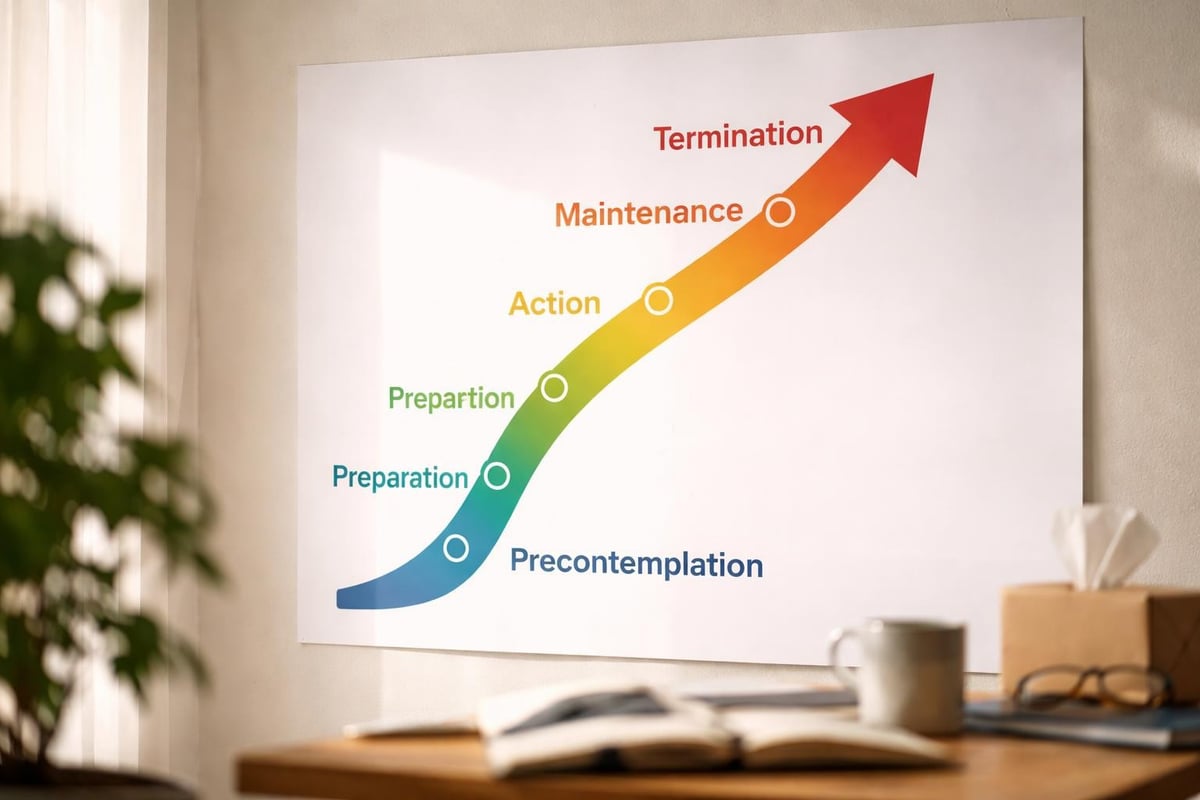
Psychologists James Prochaska and Carlo DiClemente developed the Transtheoretical Model, which describes six distinct stages individuals typically progress through when changing addictive behaviors. This framework helps clinicians, family members, and those in recovery understand where someone stands in their journey and what interventions might prove most effective.
Precontemplation: Unaware or Unwilling
During this initial stage, individuals do not recognize their substance use as problematic or have no intention to change. They may be unaware of the negative consequences or actively resist feedback from concerned friends and family members. People in precontemplation often feel defensive when others raise concerns about their behavior.
This stage requires gentle education and motivational approaches rather than confrontation. Motivational interviewing techniques can help individuals begin exploring their ambivalence about substance use without triggering resistance.
Contemplation: Acknowledging the Problem
People in contemplation recognize that substance use causes problems and begin seriously considering change. However, they remain ambivalent, weighing the perceived benefits of using against the costs. This stage can last months or even years as individuals vacillate between wanting to change and fearing what that change might require.
Common thoughts during contemplation:
- "I know I drink too much, but I don't know if I can stop"
- "Maybe I should cut back, but I'm not sure I'm ready"
- "Recovery sounds hard-I'm not sure it's worth it"
Supporting someone in contemplation involves exploring their motivations, discussing the consequences of continued use, and helping them envision life after recovery without pressuring them toward immediate action.
Preparation: Planning for Change
Once individuals commit to changing, they enter the preparation stage. Here, people gather information about treatment options, reach out to support networks, and develop concrete plans for beginning recovery. They might research detox centers or inpatient rehab facilities, schedule assessments, and arrange time away from work or family obligations.
This stage represents a critical window when support and resources make the difference between moving forward into action or sliding back into contemplation. Practical assistance with logistics, insurance verification, and transportation can help maintain momentum.
| Stage | Characteristics | Timeline | Support Needed |
|---|---|---|---|
| Precontemplation | No awareness of problem | Indefinite | Education, gentle feedback |
| Contemplation | Recognizing issues | Months to years | Motivational interviewing |
| Preparation | Planning action | Days to weeks | Practical resources, logistics |
| Action | Active treatment | 3-6 months | Intensive therapy, monitoring |
| Maintenance | Sustaining changes | Ongoing | Continuing care, support groups |
| Termination | Full integration | Years | Minimal-self-sustaining |
Action: Implementing Change
The action stage involves actively engaging in recovery behaviors-entering treatment, attending therapy sessions, participating in support groups, and making significant lifestyle modifications. This is the most visible phase of change in recovery, where individuals demonstrate commitment through observable actions. According to research on the stages of change, most clinical interventions focus on this stage.
During action, individuals learn new coping strategies, process underlying trauma, rebuild damaged relationships, and establish healthier routines. The intensity of change during this period can feel overwhelming, making strong support systems essential.
Maintenance: Sustaining Progress
After approximately six months of sustained change, individuals transition into maintenance. This stage focuses on preventing relapse and consolidating the gains made during action. Maintenance requires ongoing vigilance, continued participation in support activities, and consistent application of recovery skills in daily life.
Relapse prevention strategies become crucial during maintenance as individuals navigate high-risk situations, manage stress without substances, and address complacency that can develop after initial success. The work of maintenance continues indefinitely for many people, though it typically becomes less effortful over time.
Termination: Complete Integration
Some individuals eventually reach termination, where recovery has become so integrated into their identity and lifestyle that maintaining sobriety requires minimal conscious effort. Not everyone achieves this stage, and many recovery professionals consider lifelong maintenance more realistic for most people with severe addiction histories.
Barriers to Change in Recovery
Despite the best intentions, numerous obstacles can impede progress through the stages of change. Understanding these barriers helps individuals and treatment providers develop strategies to overcome them. Research examining barriers to change in recovery identifies several common challenges that derail recovery efforts.
Internal Barriers
Psychological obstacles often prove the most difficult to address. Shame and guilt about past behaviors can paralyze individuals, preventing them from seeking help or fully engaging in treatment. Fear of failure-having tried and relapsed before-creates reluctance to attempt recovery again. Mental health conditions like depression, anxiety, or trauma-related disorders complicate recovery when left untreated.
Cognitive distortions also hinder change in recovery. These include minimizing the severity of addiction, believing one can control substance use without help, or catastrophizing about life without substances. Challenging these distorted thought patterns through cognitive-behavioral therapy helps individuals develop more accurate perspectives.
External Barriers
Environmental and social factors significantly impact recovery success. Living situations that expose individuals to substances or using peers make sustained sobriety extremely difficult. Financial constraints limit access to quality treatment, particularly residential programs or intensive outpatient services.
- Lack of transportation to treatment appointments
- Employment instability or job loss
- Legal consequences creating additional stress
- Family dysfunction or lack of supportive relationships
- Limited access to healthcare and insurance coverage
Addressing these practical barriers requires comprehensive case management and community resources beyond clinical treatment alone. Programs offering wraparound services-including housing assistance, vocational training, and legal support-demonstrate higher success rates.
Biological Challenges
The physiological aspects of addiction create powerful barriers to change. Withdrawal symptoms can be extremely uncomfortable and even dangerous for certain substances, requiring medical supervision during detoxification. Protracted withdrawal-lingering symptoms that persist for weeks or months-tests commitment when individuals expect to feel better quickly.
Chronic substance use causes lasting changes in brain chemistry that affect mood regulation, stress response, and cognitive function. These neurobiological alterations mean that change in recovery involves not just willpower but genuine healing of damaged brain systems, a process that unfolds over months and years.
Facilitating Effective Change in Recovery
Successfully navigating the recovery journey requires strategic approaches tailored to individual needs and circumstances. Evidence-based practices have demonstrated effectiveness in supporting sustainable change across diverse populations.
Comprehensive Assessment
Recovery begins with thorough evaluation using substance abuse assessment tools that examine the severity of addiction, co-occurring mental health conditions, social support networks, and readiness for change. This assessment informs treatment planning and helps match individuals with appropriate levels of care.
Quality assessments explore:
- Detailed substance use history and patterns
- Physical health status and medical complications
- Mental health screening and trauma history
- Family dynamics and relationship quality
- Educational background and employment status
- Legal involvement and financial resources
- Previous treatment experiences and outcomes
Individualized Treatment Planning
No single approach works for everyone. Effective treatment plans incorporate evidence-based modalities tailored to individual needs, preferences, and circumstances. Some people thrive in structured residential environments, while others succeed in outpatient programs that allow them to maintain work and family responsibilities. Understanding the differences between inpatient vs outpatient rehab helps individuals make informed decisions.
Treatment components might include:
- Individual psychotherapy addressing underlying issues
- Group therapy providing peer support and accountability
- Family therapy repairing damaged relationships
- Medication-assisted treatment for opioid or alcohol dependence
- Holistic therapies like mindfulness, yoga, or art therapy
- Educational workshops on addiction, recovery, and life skills
Building Recovery Capital
Recovery capital refers to the internal and external resources supporting sustained sobriety. Research on recovery capital development shows that accumulated assets across multiple domains predict long-term success. Personal recovery capital includes self-efficacy, coping skills, and physical health. Social recovery capital encompasses supportive relationships, employment, housing, and community connections.
Intentionally building recovery capital through treatment and continuing care creates a foundation that withstands challenges and setbacks. Programs that address practical needs-securing stable housing, finding employment, rebuilding family relationships-recognize that change in recovery extends beyond clinical interventions to encompass whole-life transformation.

Sustaining Long-Term Change
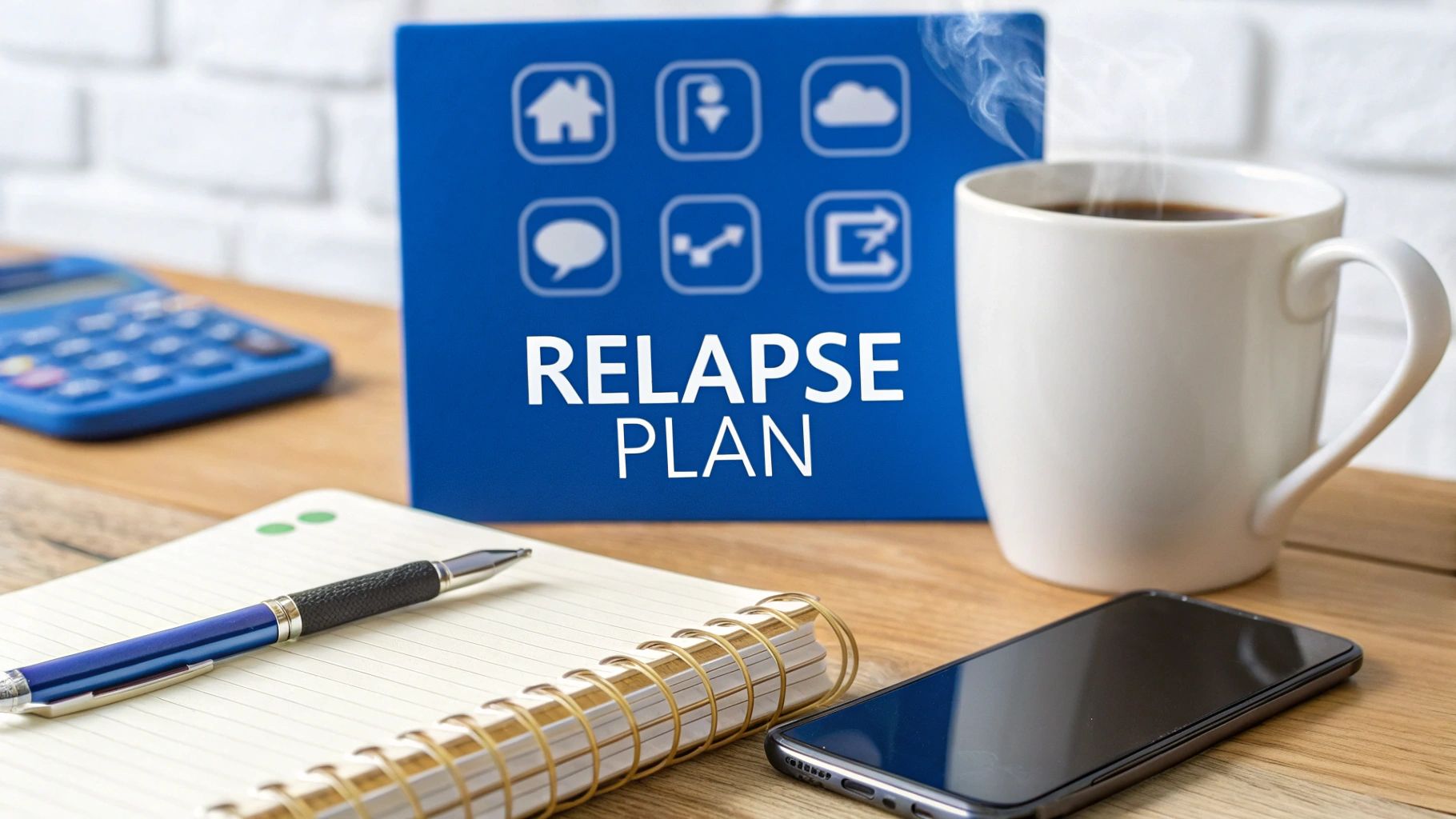
The transition from active treatment to independent recovery represents a vulnerable period when many individuals struggle. Understanding withdrawal symptoms that may persist and developing strategies to manage them prevents discouragement. Creating a detailed relapse prevention plan provides concrete steps for managing triggers and high-risk situations.
The Role of Support Systems
Ongoing connection with others in recovery proves invaluable for maintaining sobriety. Twelve-step programs, recovery coaching, alumni groups from treatment programs, and faith-based communities offer continued encouragement and accountability. Learning and practicing 12-step spiritual principles provides a framework for personal growth that extends beyond addiction to encompass broader life transformation.
Support systems help individuals process challenges, celebrate milestones, and maintain perspective during difficult periods. The relationships formed in recovery often become some of the most meaningful in a person's life, providing connection based on shared experience and mutual growth.
Lifestyle Changes and Identity Reconstruction
Sustainable recovery requires developing a new identity not centered on substance use. This involves discovering or rediscovering interests, values, and activities that provide meaning and satisfaction. Many people in recovery describe needing to learn who they are without substances, having lost themselves during years of active addiction.
Key lifestyle modifications include:
- Establishing healthy daily routines and sleep patterns
- Engaging in regular physical activity and proper nutrition
- Developing stress management and relaxation techniques
- Pursuing educational or vocational goals
- Building positive social networks and recreational activities
- Practicing mindfulness, meditation, or spiritual disciplines
These changes reinforce recovery by creating a life worth protecting from the threat of relapse. When individuals have compelling reasons to stay sober-meaningful work, healthy relationships, personal goals-they demonstrate greater resilience during challenging times.
Addressing Setbacks Constructively
Viewing lapses or relapses as learning opportunities rather than failures helps individuals maintain long-term momentum. Understanding that change in recovery rarely follows a linear path reduces shame and encourages quick return to recovery behaviors. Analyzing what led to a setback, identifying warning signs, and adjusting the recovery plan strengthens future resilience.
Treatment providers and support networks that respond to setbacks with compassion and problem-solving rather than judgment create environments where individuals feel safe admitting struggles before they escalate into full relapse. This approach recognizes recovery as an ongoing process of growth rather than an all-or-nothing proposition.
Measuring Progress in Recovery
Traditional metrics like days of sobriety matter, but comprehensive recovery encompasses broader dimensions of wellness. Quality of life improvements, relationship healing, employment stability, mental health symptom reduction, and personal growth all indicate successful change in recovery.
| Recovery Dimension | Early Indicators | Long-Term Markers |
|---|---|---|
| Physical Health | Improved sleep, appetite | Restored organ function, fitness |
| Mental Health | Reduced cravings, clearer thinking | Managed symptoms, emotional stability |
| Social Functioning | Reconnecting with family | Healthy relationships, social engagement |
| Occupational | Attending work/school regularly | Career advancement, financial stability |
| Spiritual | Exploring values and meaning | Sense of purpose, gratitude practice |
Regular assessment using validated tools helps individuals and treatment teams track progress across these dimensions. Celebrating improvements-even small ones-reinforces positive change and builds motivation for continued growth.
The Transformation Timeline
Understanding realistic timelines helps manage expectations. Physical healing from substance damage begins within days of abstinence but continues for months. Neurological recovery unfolds over one to two years as brain chemistry gradually normalizes. Psychological healing and relationship repair often require several years of sustained effort.
This extended timeline underscores why aftercare and ongoing support prove essential. Change in recovery is not a destination reached after completing a treatment program but a continuous journey of personal development and growth.
Supporting Others Through Change
Family members, friends, and professionals supporting someone in recovery benefit from understanding the stages of change and meeting individuals where they are. Pushing someone in precontemplation toward action typically backfires, increasing resistance. Instead, asking thoughtful questions that encourage self-reflection plants seeds for future change.
Learning how to stage an intervention properly when someone's addiction threatens their life requires professional guidance. Well-executed interventions can motivate individuals toward treatment, while poorly planned ones may damage relationships and increase denial.
Setting healthy boundaries protects loved ones from enabling addiction while maintaining connection. This balance-offering support without rescuing individuals from consequences-encourages personal responsibility essential for lasting change in recovery.
Change in recovery represents a comprehensive transformation touching every aspect of life, unfolding through predictable stages while remaining deeply personal to each individual's journey. Understanding this process, addressing barriers proactively, and accessing appropriate support dramatically increases the likelihood of sustained sobriety and improved quality of life. StartDrugRehab.com provides the resources, treatment connections, and expert guidance necessary to navigate every stage of recovery, helping individuals and families find hope and healing through personalized support designed for lasting transformation.
Article written using RankPill.